Online booking is currently closed.
Please call us at (218) 365-4885 to book.
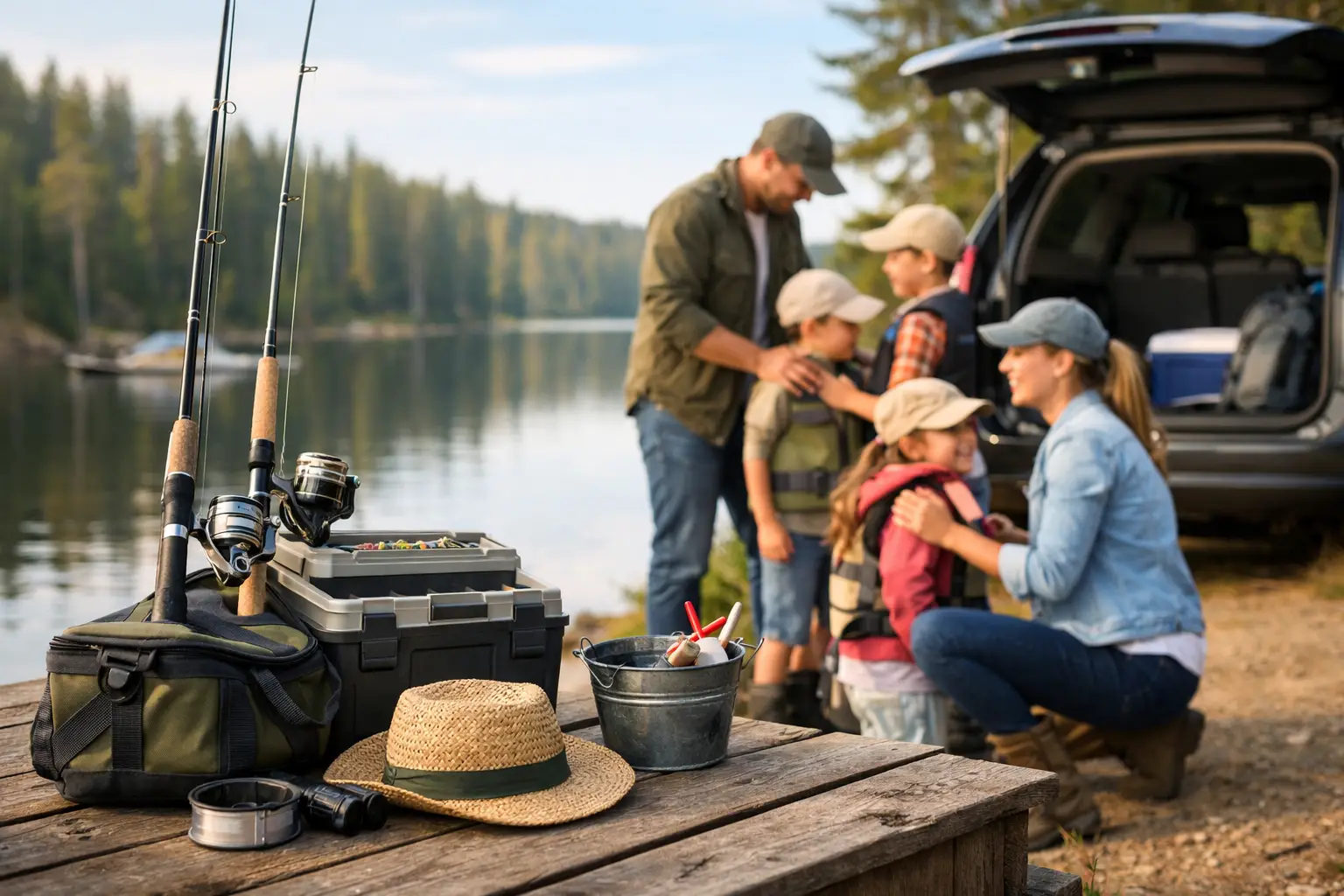
How to Prepare for a Family Fishing Trip
A family fishing trip has a different measure of success than a tournament day on the water. The biggest fish may become a favorite story, but so can a child’s first cast, a loon calling across the lake, or a shore lunch that turns into an afternoon of swimming. Knowing how to prepare for a family fishing trip means planning for the fishing, of course, but also leaving room for the moments that make a Northwoods vacation feel easy and memorable.
Start With a Trip That Fits Your Family
The best fishing plan is one that matches the ages, experience levels, and attention spans in your group. A family with young children may have more fun with a two-hour morning outing close to the cabin than an all-day run across the lake. Older kids, teens, and serious anglers may be ready to chase a walleye bite at sunrise or work shoreline cover for bass and northern pike.
Choose a destination where fishing does not have to carry the entire vacation. A comfortable cabin, a beach, safe swimming areas, and ways to explore the lake by canoe, kayak, or paddle boat give everyone a reason to look forward to the day. That balance matters when the fish are not biting, when the weather changes, or when someone simply wants an afternoon reading by the water.
For a northern Minnesota getaway, consider the season before setting expectations. Spring can bring excellent fishing and cool water, while summer offers warm afternoons, swimming, and long evenings on the dock. Fall often brings quieter lakes and crisp air, but families should pack for changing temperatures. The right time depends on whether your group puts fishing first or wants a little of everything.
Reserve the Big Pieces Early
Lodging and boats can shape the entire trip, especially during popular summer weeks. Reserve a cabin with enough room for your group to spread out, store gear, prepare meals, and rest after a full day outdoors. For multigenerational trips, consider sleeping arrangements carefully. Grandparents may appreciate a main-level bedroom, while kids often enjoy a shared room that feels like part of the adventure.
If you plan to fish from a boat, decide whether you will bring your own or rent one at your destination. Renting can make travel much simpler for families, since you can avoid towing, launching, and hauling a boat across the state. Ask about boat size, motor options, life jackets, fuel procedures, and whether the lake has areas that are especially good for beginners.
A pontoon can be a smart choice when your group includes young children, non-anglers, or grandparents. It offers more room, a steadier ride, and an easy place to snack, relax, and take breaks. A fishing boat is often better for focused angling, particularly when you want to move efficiently between structure, shorelines, and deeper water. There is no wrong choice – it depends on whether the day is built around catching fish or enjoying the lake together.
Pack Fishing Gear That Keeps Things Simple
Families do not need a garage full of tackle to have a rewarding day on the water. Bring dependable equipment that is easy to use and suitable for the species you hope to catch. For many casual anglers, a medium-light spinning rod, a small selection of hooks and sinkers, bobbers, a few jigs, and appropriate bait will cover plenty of situations.
Keep each child’s setup uncomplicated. A manageable rod, a small tackle box, and one or two proven presentations are better than a confusing pile of lures. Bobber fishing with live bait is still one of the best ways to keep young anglers involved because they can see the action and understand what they are waiting for.
Experienced anglers may want specialty gear for walleye, crappie, bass, or northern pike, but it helps to keep the main boat area clear. Tangled lines, loose hooks, and too many open tackle boxes can turn a peaceful outing into a frustrating one fast.
A practical family fishing kit should include:
- Valid fishing licenses for everyone who needs one, plus a current copy of Minnesota fishing regulations
- Properly fitted life jackets for every passenger, including children
- Sunscreen, insect repellent, sunglasses, hats, and refillable water bottles
- A small first-aid kit, hand wipes, snacks, and a dry bag for phones and extra layers
- Needle-nose pliers, a net, a measuring tool, and a camera for recording the catch
Check regulations before you leave home, including license requirements, season dates, size limits, and possession limits. Rules can vary by species and waterbody. Teaching kids why fish limits exist is part of the experience, too. It builds respect for the lake and makes catch-and-release feel like a meaningful choice, not a disappointment.
Put Lake Safety Before the First Cast
On the water, every child should wear a properly fitted life jacket, not just have one nearby. Adults should wear theirs as well, particularly when conditions are windy, the water is cold, or the boat is moving. Make this the normal family rule from the first day, rather than a battle you have to repeat at every dock.
Before leaving shore, explain a few simple boat expectations: stay seated while the boat is moving, keep hands away from the motor and dock lines, and tell an adult before changing seats or reaching for something. Give kids a small job, such as helping count life jackets or checking that snacks are onboard. Being included often helps them take safety more seriously.
Weather deserves attention in northern Minnesota. Bluebird mornings can become windy afternoons, and summer thunderstorms can build quickly. Check the forecast each day, watch the sky, and head in early if you hear thunder or see lightning. A shorter safe trip is always better than trying to squeeze in one more fishing spot.
Plan a Flexible Day, Not a Strict Schedule
Fishing with children works best when the day has a gentle rhythm. Start early if your family can manage it, since the lake is often calmer and fish may be more active. Then leave room for a snack break, a swim, a stop on shore, or a return to the cabin before anyone gets overtired.
It is helpful to set a realistic goal before you go. Maybe the goal is for everyone to catch one fish. Maybe it is to learn how to cast, identify a loon, or enjoy breakfast on the boat. When the only goal is filling a stringer, younger anglers can lose interest before the day has a chance to become fun.
Bring snacks people actually like, and bring more than you think you need. Granola bars, fruit, sandwiches, trail mix, and cold drinks can rescue an outing when hunger arrives earlier than expected. Avoid making the boat a sticky mess, but do not underestimate how much happier everyone is after a quick snack break.
Teach Kids Without Taking Over
A family fishing trip is a chance to show children how the lake works. Explain why fish might sit near weeds, rocks, fallen timber, or a change in depth. Let them help lower the anchor, choose between two lures, or release a fish carefully at the side of the boat.
At the same time, resist the urge to correct every cast. A child who is learning will tangle a line, drop bait, and occasionally send a bobber into a tree. Those small mishaps are part of becoming comfortable outdoors. Step in when safety requires it, then let the learning unfold.
Celebrate every sign of progress. A first fish is exciting, but so is a child who casts independently, touches a fish for the first time, or remembers to wet their hands before helping with a release. Photos are wonderful, but take a few without stopping the whole outing. The best memories usually happen between the posed pictures.
Have a Plan for Non-Fishing Time
Even the most enthusiastic young angler may reach their limit. That is not a failed fishing trip – it is a cue to switch gears. Pack swimsuits, beach towels, board games, books, and layers for cool evenings. A rain shower can be the perfect reason to return to the cabin for cards, hot chocolate, or an afternoon nap before heading back out when the sky clears.
At White Iron Beach Resort, families can pair time on the fishing boat with swimming, paddling, and relaxed lake days, so every member of the group has a version of vacation they enjoy. That mix lets dedicated anglers chase the next bite without asking everyone else to sit still all day.
The best preparation leaves room for surprises: a sudden hatch, a calm sunset, a child who wants to stay on the dock for one more cast. Pack thoughtfully, keep the plan flexible, and let the lake set a slower pace. That is where a family fishing trip becomes the kind of getaway everyone wants to repeat.