Online booking is currently closed.
Please call us at (218) 365-4885 to book.
How to Organize Lakeside Reunions That Work
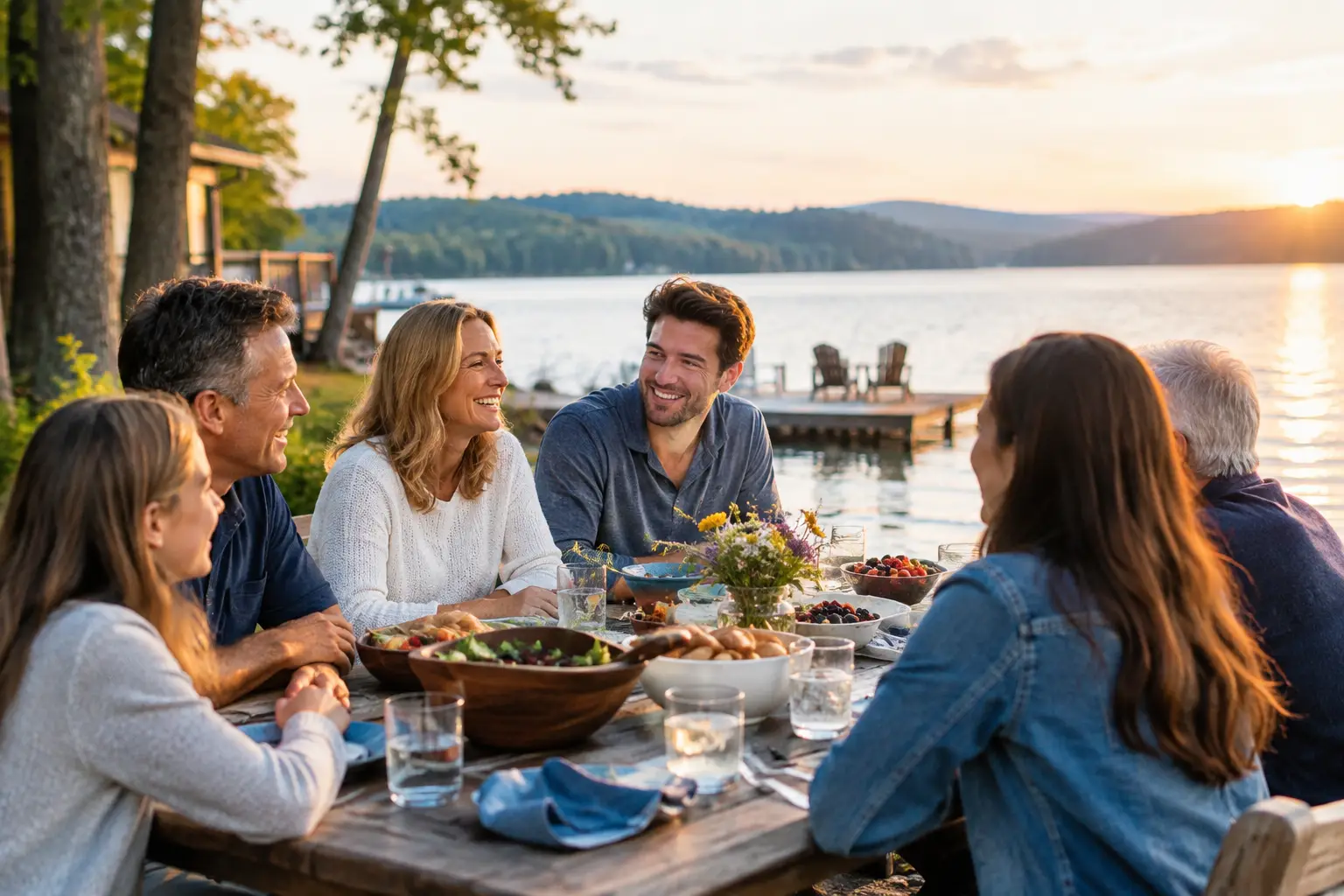
The best reunion moments rarely happen during the scheduled group photo. They happen when cousins race down to the swimming beach, grandparents trade stories on the cabin porch, and someone catches the first fish of the weekend. Knowing how to organize lakeside reunions means creating room for those unscripted moments while handling the practical details that keep a large group comfortable.
A lake setting does much of the work for you. It gives people a reason to step away from daily routines, offers activities for nearly every age, and makes shared time feel easy rather than forced. Still, a memorable reunion needs a thoughtful plan – especially when guests have different budgets, mobility needs, sleep schedules, and ideas of what makes a great vacation.
Start With the Right Lakeside Home Base
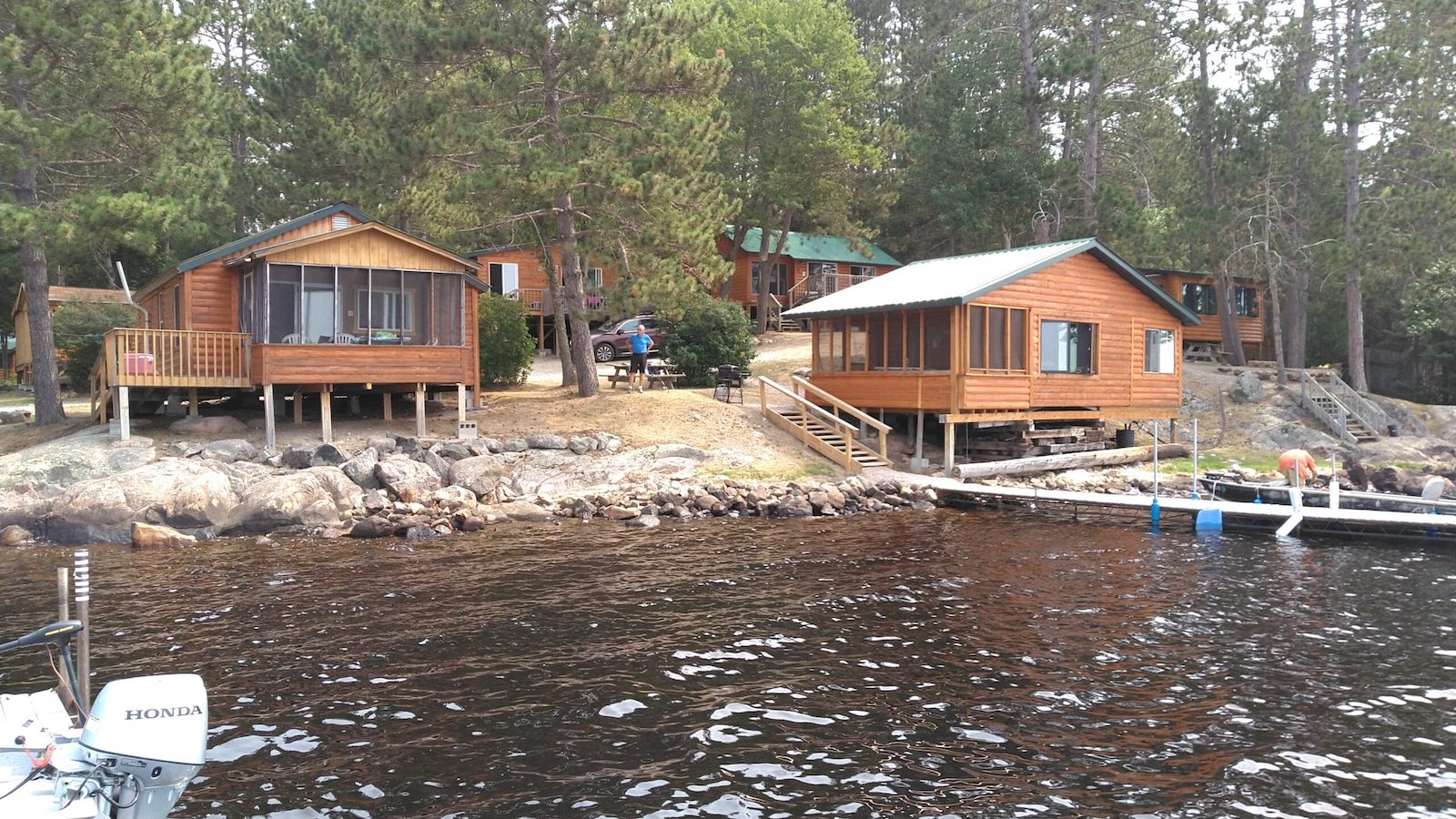
For a family reunion, choosing a location is about more than a pretty shoreline. Look for a property where your group can stay close together without everyone needing to share one oversized house. A collection of cabins or duplex units is often a better fit for multigenerational families: each household has its own sleeping space, kitchen, and downtime, while the group remains close enough for meals and lake activities.
Before sending invitations, decide what your gathering truly needs. Count adults, children, and likely last-minute guests. Consider whether older relatives need easy access, whether families will want private kitchens, and whether anyone is bringing a boat or fishing gear. A group with toddlers, teenagers, anglers, and grandparents will enjoy the same lake differently, so the home base should support all of them.
At White Iron Beach Resort, for example, cabins and duplex units give groups the flexibility to spread out while still sharing a Northwoods vacation setting on White Iron Lake. That balance matters. Togetherness is more enjoyable when everyone has a comfortable place to recharge.
Choose dates with the whole group in mind
Summer weekends can be the simplest choice for school-age families, but they are also the busiest and often require planning well ahead. A midweek stay may offer more availability and a quieter lake experience. Early summer brings long days and fresh energy, while late summer can be especially comfortable for families who prefer warm water and cooler evenings around the fire.
Give people a clear decision date rather than leaving the invitation open-ended. Ask for a firm yes, a possible, or a no. That makes it easier to reserve the right mix of lodging and avoid one person carrying all the financial uncertainty.
How to Organize Lakeside Reunions Without Overplanning
The temptation is to build a packed itinerary so nobody misses out. In practice, that can make a reunion feel like work. Lake vacations are at their best when there is a simple rhythm: one or two anchor events each day, with plenty of open time between them.
A first-night welcome meal, a morning fishing outing, an afternoon at the beach, and a final group dinner may be all you need. Let the rest be optional. Some guests will want to paddle a kayak at sunrise. Others may be happiest reading by the water, taking a nap, or playing cards in the cabin. All of those choices count as a successful reunion.
Make the schedule visible in one shared place, whether that is a printed sheet in each cabin or a group message before arrival. Use plain language and include start times, meeting spots, what to bring, and whether children need an adult with them. A little clarity prevents the organizer from answering the same questions all weekend.
Build Activities Around Different Energy Levels
A good lakeside reunion does not ask every person to enjoy the same activity. It gives the group easy ways to gather, plus options for smaller interests. Fishing is a natural centerpiece for many Northwoods families, especially when walleye, crappie, bass, and northern pike are part of the lake experience. But fishing should never be the only plan.
Offer a mix of active and relaxed choices throughout the day. Younger children may spend hours at a kid-friendly swimming area or making sandcastles, while teens may gravitate toward paddle boats, kayaks, and friendly competitions. Adults can enjoy a pontoon ride, a quiet paddle, or a conversation on the dock. Free-use canoes and kayaks make it easier for guests to try something without committing to a full outing.
For larger groups, these four activities tend to bring people together without requiring much setup:
- A casual fishing contest with categories for first catch, smallest fish, and best fish story
- A pontoon cruise for relatives who want lake views without paddling or casting
- A beach picnic with simple games for kids and plenty of shade for adults
- An evening campfire where each generation shares a favorite family memory
Keep prizes lighthearted. A candy bar, a hand-painted paper certificate, or bragging rights will do. The goal is participation, not pressure.
Have a weather plan that still feels like vacation
Northern Minnesota weather can change quickly. A rain plan is not pessimistic – it is what keeps the mood steady when the forecast shifts. Reserve indoor time for board games, card tournaments, photo sorting, family recipe swaps, or a low-key movie night in individual cabins.
If a storm interrupts boat time, resist trying to squeeze every missed activity into the next sunny hour. The lake will still be there. Give guests permission to slow down, then return to the water when conditions are safe and comfortable.
Make Meals Easy Enough to Enjoy
Food can become the reunion organizer’s biggest headache if every meal turns into a committee meeting. The simplest approach is to identify a few meals that the group will share and let households handle the rest on their own. Breakfast is often easiest in cabins, where early risers, sleeping-in teenagers, and anglers leaving before sunrise can eat on their own schedules.
For shared dinners, assign broad responsibilities rather than complicated recipes. One cabin can handle grilling, another can bring salads, and another can organize desserts and drinks. If several families are traveling a long distance, consider a grocery pickup plan or ask local guests to bring shelf-stable basics.
Be clear about dietary needs before the trip. Ask about allergies, vegetarian preferences, and foods children will reliably eat. A cooler filled with easy snacks can prevent small hunger problems from becoming big vacation moods after an afternoon of swimming or boating.
Set Expectations Before Everyone Arrives
Reunions go more smoothly when guests know what is included, what costs extra, and what they should bring. Send one friendly pre-trip note about a week or two before arrival. It should cover lodging assignments, arrival information, the loose schedule, meal plans, and lake safety basics.
For a lakeside stay, remind everyone to pack layers for cool mornings and evenings, swimsuits, sunscreen, bug spray, water shoes, rain gear, and life jackets for children if they have preferred sizes or styles. If the group plans to fish, clarify who is bringing tackle, who needs a fishing license, and whether boats, motors, or pontoons need to be reserved in advance.
This is also a good time to establish a few simple shared-space expectations. Keep dock and beach areas tidy, make sure children have adult supervision near the water, and respect quiet hours so early anglers and young families can rest. These do not need to sound like rules from a camp counselor. A warm reminder helps everyone look after the place and one another.
Give the Reunion a Small Sense of Occasion
You do not need matching shirts, a formal program, or a photographer following the group around. But a few intentional touches can help the weekend feel distinct from an ordinary cabin trip. Bring a printed family tree, set out old photos for people to identify, or create a shared album where everyone can add their favorite pictures.
If your reunion celebrates a milestone birthday, anniversary, or family tradition, choose one short moment to recognize it. Keep speeches brief and save the rest of the evening for conversation, laughter, and lake air. The most meaningful traditions are usually the ones people can repeat next year without a lot of effort.
As your group heads home, do not worry about whether every activity happened exactly as planned. If relatives leave with sun-warmed memories, a few new fish stories, and a reason to gather by the water again, you have given the reunion exactly what it needed.