Ely Wilderness Permits Guide for BWCA Trips
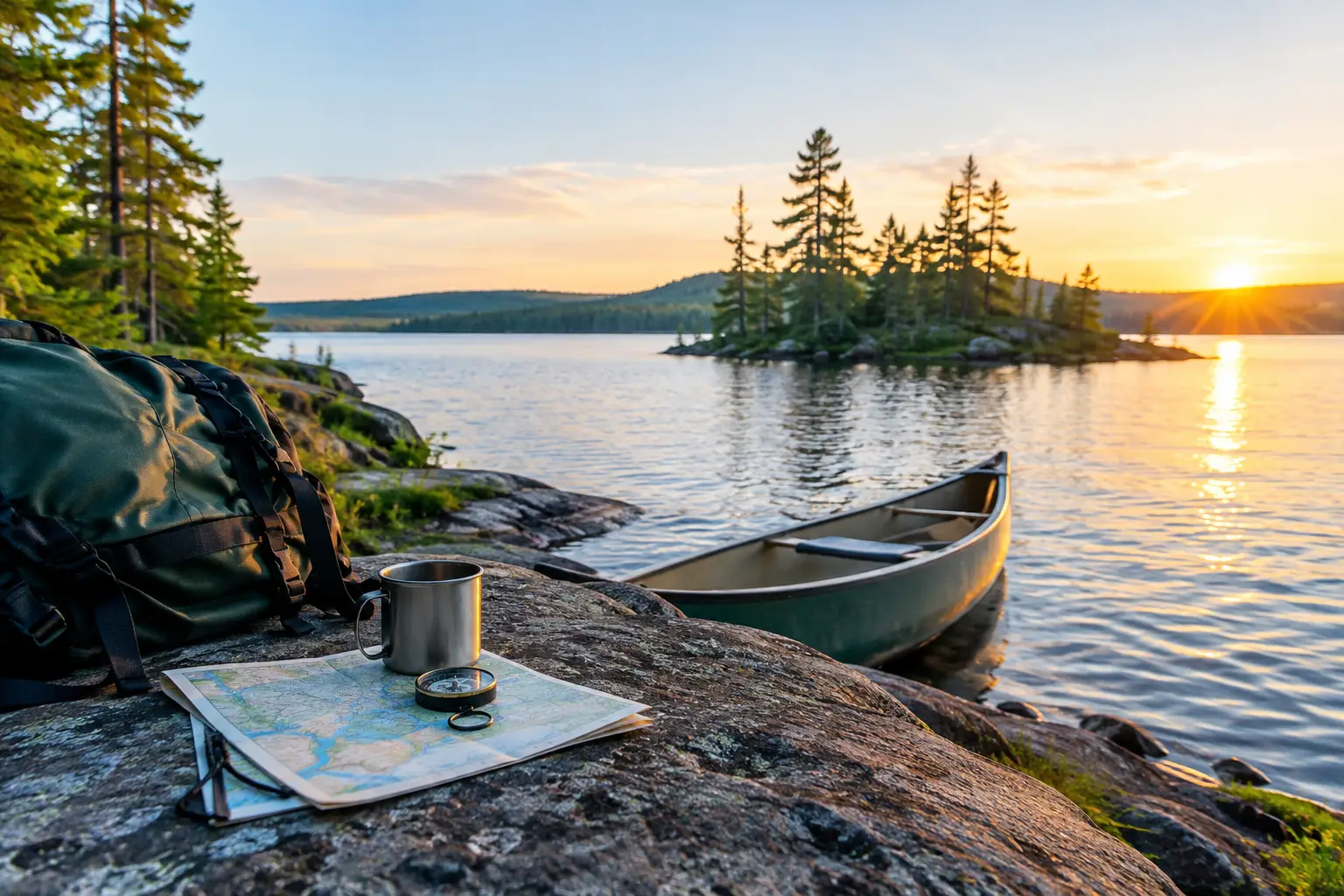
A Boundary Waters trip can begin with a quiet paddle through a misty bay, a kid spotting their first loon, or a line tightening over a walleye hole. But before any of that happens, the permit needs to match your plans. This Ely wilderness permits guide breaks down the choices in plain language, so your group can spend less time sorting out paperwork and more time looking forward to an unforgettable Minnesota getaway.
Start With the Trip You Want to Take
When visitors ask about wilderness permits in Ely, they are usually planning a trip into the Boundary Waters Canoe Area Wilderness, often called the BWCA. The permit you need depends on whether you are camping overnight, visiting for the day, traveling by canoe or kayak, or using a motor where motors are allowed.
The most common permit for visitors is an overnight paddle permit. This is for groups entering the BWCA by canoe, kayak, or other nonmotorized watercraft and camping within the wilderness. These permits are tied to a specific entry point and entry date, which means choosing the right route matters from the beginning.
A day trip is different. Nonmotorized day users generally complete a self-issued permit at the entry point. That makes a short paddle, hike, or fishing outing easier to arrange, especially for families who want a taste of the wilderness without packing for several nights. Motorized routes and some day-use situations have different quota requirements, so check the current rules for your intended entry point before heading out.
Your permit is not simply a parking pass or a formality. It protects the quieter, less crowded experience that makes the Boundary Waters special. Daily entry limits help preserve campsites, wildlife habitat, and the feeling that there is room to breathe between one group and the next.
How Ely Wilderness Permits Work
For overnight BWCA trips, reservations are made through the federal recreation reservation system. During the main quota season, typically May 1 through September 30, popular Ely-area entry points can fill quickly. Summer weekends, holiday periods, and well-known routes often go first.
When reserving, you will select the entry point, the date you will enter, the number of people in your party, and the number of watercraft. You will also designate a trip leader and, when allowed, alternate leaders. The named permit holder or an eligible alternate must be present when the permit is picked up and when the group enters the wilderness.
The details deserve a second look before you finalize them. An overnight permit is valid for the date and entry point printed on it. If your permit says you are entering at Moose Lake, you cannot decide that another nearby entry point looks less busy and start there instead. A change in route may require a different permit, and availability is never guaranteed during busy periods.
After reserving, your group will pick up the permit from an authorized issuing station in the Ely area or another location selected during the reservation process. The trip leader will review the required wilderness information, sign the permit, and carry it throughout the trip. Pick-up procedures and hours can vary by station and season, so confirm your plan before arriving in town.
Choose an Entry Point Before You Reserve
Ely is a convenient base for many Boundary Waters entry points, but they do not all offer the same kind of experience. The best choice depends on your group’s comfort level, available time, portaging ability, fishing goals, and interest in solitude.
Some routes begin with broad, scenic lakes and easier navigation. Others start with a short drive followed by a narrow creek, a rugged portage, or several connected lakes. A first-time family may be happiest on a route with manageable portages and a flexible first-day campsite plan. Experienced paddlers may prefer a route that reaches more remote water after a longer travel day.
Think honestly about the youngest and oldest members of the group. A portage that looks short on a map can feel much longer with a loaded canoe, a pack, and damp footing after rain. A route with fewer portages may be the better vacation choice even if it is more popular. There is no prize for choosing the toughest route when the goal is time together.
Fishing-focused groups should also consider the water they want to fish and the hours they are willing to paddle. Lakes near popular entry points can offer very good fishing, particularly at dawn and dusk, while deeper routes may provide a stronger sense of backcountry travel. Conditions, weather, and seasonal fish movement all matter, so leave room for plans to change once you are on the water.
Reserve Early, but Keep a Backup Plan
If your dates are fixed, reserve as soon as permits become available for your travel window. This is especially wise for groups traveling in June, July, August, or during a holiday weekend. A permit reservation is often the one piece of the trip that cannot be replaced at the last minute.
That said, a full entry point does not mean the whole Ely area is out of reach. Nearby entry points may have openings, and a different route can become a favorite in its own right. Flexibility with your entry day, the number of nights, or the exact launch location can make a big difference.
For families and multigenerational groups, it may be smart to reserve a permit for the middle of a longer Ely stay. That gives you time to settle into your cabin, check the forecast, organize packs, and enjoy a relaxed lake day before heading into the wilderness. It also creates a comfortable landing place when you return from the trail or canoe route.
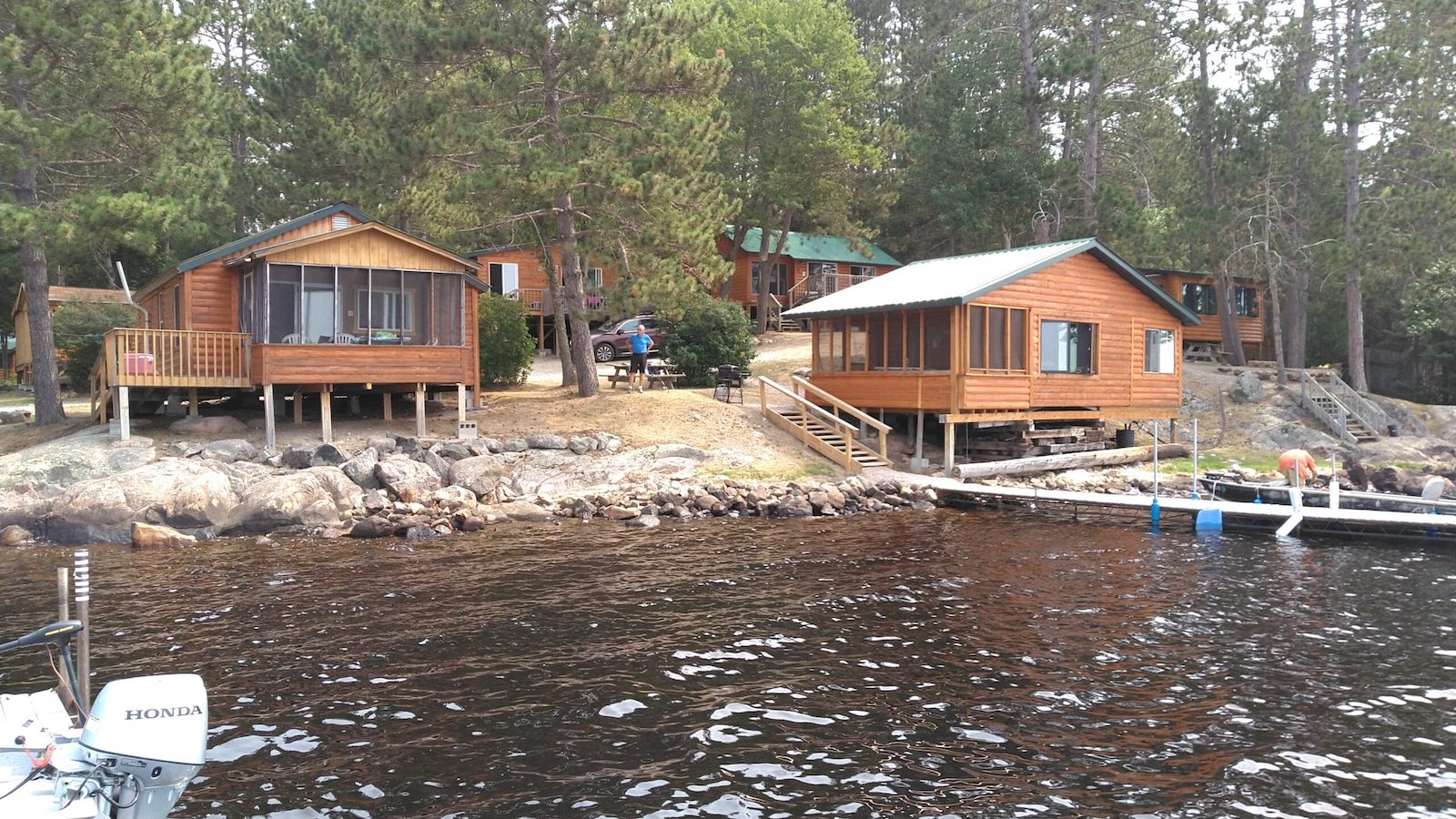
White Iron Beach Resort can be a natural home base for travelers who want that balance – a Boundary Waters adventure followed by a hot shower, a comfortable cabin, and another day to fish, relax, or play in the lake.
Know the Rules Before You Launch
The BWCA is welcoming, but it is not a place to wing it. Permit holders are responsible for their group, and wilderness rules are designed to keep the country clean, safe, and quiet for everyone who follows.
Group size is limited to nine people and four watercraft traveling together. Larger families or friend groups may need to split into separate, independent parties, each with its own permit and route plan. Do not assume separate permits allow a large group to camp, paddle, or travel as one unit.
Camping is allowed only at designated campsites. You cannot make your own site on a pretty shoreline, even if it appears unused. A campsite may be occupied when you arrive, so start looking early in the afternoon rather than paddling until dark and hoping for an open spot.
Campfires are permitted only in established fire grates, and temporary fire restrictions can change the rules quickly during dry conditions. Bring a camp stove even if you expect to cook over a fire. It is more reliable in rain, more convenient for breakfast, and essential if a fire ban is in place.
Food storage is another practical concern. Keep food, trash, and scented items secured and away from wildlife. Never leave fish remains near camp or toss them into shallow water by a campsite. Pack out every bit of trash, including food scraps, fishing line, and foil.
Permits Do Not Replace Other Requirements
A wilderness permit is separate from a Minnesota fishing license. Anglers 16 and older generally need the appropriate fishing license, and everyone should follow current seasons, possession limits, and any special regulations for the waters they plan to fish.
If your route approaches the Canadian border, do not assume your BWCA permit gives you permission to cross it. International travel requires separate documentation and planning. The same goes for parking, vehicle permits, equipment rentals, and overnight lodging outside the wilderness – handle each piece before departure day.
Weather deserves its own place on the checklist. Wind can build quickly on large lakes, and cold rain can turn a simple route into a demanding day. Check the forecast, pack rain gear and layers, and avoid crossing open water when conditions are beyond your group’s experience. A permit gives you access to the wilderness; good judgment helps get you home with great stories.
A Simple Pre-Trip Check
A few days before entering, review your reservation confirmation, entry point directions, pick-up location, and party size. Make sure every person understands the basic plan: where you are starting, how far you hope to travel the first day, and what to do if the group gets separated.
Pack maps in a waterproof case, bring a first-aid kit, and carry enough food for an extra day in case wind or weather delays travel. Use a properly fitted life jacket whenever you are on the water. For children, that rule should be nonnegotiable.
The best Boundary Waters trips leave room for the unexpected – an extra hour watching eagles, a sheltered beach lunch, a rainy afternoon of cards in the tent, or a campsite that is too lovely to leave early. Get the permit details squared away, choose a route that fits your group, and let Ely do the rest: clear water, tall pines, and the kind of family time that stays with you long after the canoe is back on the rack.