Online booking is currently closed.
Please call us at (218) 365-4885 to book.
Can You Fish at Night in Minnesota?
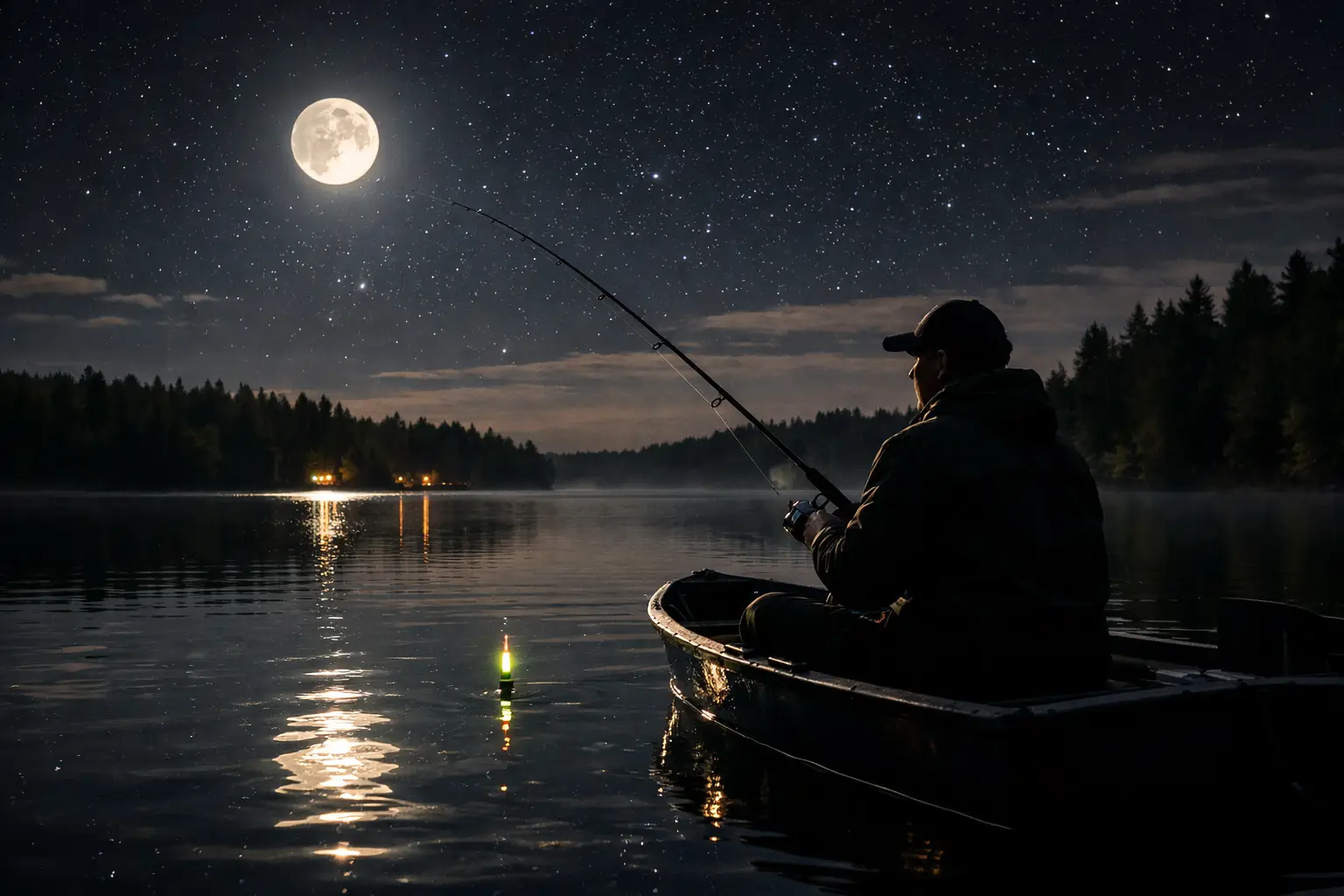
The first time a bobber disappears under a moonlit Minnesota sky, most people ask the same thing – can you fish at night in Minnesota? The short answer is yes, but like most good fishing questions, the full answer depends on where you are, what species you are targeting, and whether the water has special regulations. For families planning a Northwoods vacation and anglers hoping to stretch the day a little longer, nighttime fishing can be one of the most memorable parts of a lake trip.
Can You Fish at Night in Minnesota Legally?
In many Minnesota waters, night fishing is legal. Anglers can often fish after sunset and into the overnight hours as long as they are following statewide fishing regulations, season dates, possession limits, and any local rules that apply to a specific lake or river.
That said, not every body of water follows the same playbook. Some lakes, border waters, or special management areas may have restrictions on hours, methods, or access. If you are fishing near a state park, in certain trout streams, or on waters with experimental regulations, the answer can shift from a simple yes to an it depends. That is why checking the current Minnesota fishing regulations for the exact lake or species matters before you head out with a lantern and a tackle box.
For most vacation anglers in northern Minnesota, the key point is simple: night fishing is often allowed, but special regulations always come first.
Why Night Fishing in Minnesota Is So Popular
Minnesota lakes feel different after dark. Boat traffic settles down, the shoreline gets quiet, and fish that spent the day holding deeper or tighter to cover often move into feeding areas. That change can make evening and nighttime some of the best hours on the water, especially during summer when daytime heat and bright sun can slow the bite.
Walleye are a big reason so many anglers stay out late. They are famous for feeding in low light, and many Minnesota anglers plan their best efforts around sunset, the first few hours after dark, and the period just before sunrise. Crappies can also turn on at night, especially around weed edges, docks, and lights. Even northern pike and bass can be active after sunset, though patterns vary from lake to lake.
For families, there is another reason night fishing stands out. It feels like an event. A short evening run after dinner, kids listening for loons, and one last cast before heading back to the cabin can become the part of the trip everyone talks about later.
When Night Fishing Makes the Most Sense
Night fishing is not always better than daytime fishing. Early in the season, when water temperatures are cool, fish may feed well throughout the day. During midsummer, however, low-light periods often become much more productive. Warm water, bright sun, and heavy daytime recreation can push fish into deeper water or make them less aggressive until conditions settle.
The sweet spot is often the stretch from late evening into the first few hours of darkness. You do not always need to fish all night to catch fish at night in Minnesota. Many anglers do best from about an hour before sunset through midnight, especially on walleye lakes. If the weather is stable and the lake has a strong evening bite, that short window can be enough.
Cloud cover, wind, moon phase, and water clarity all play a part. On clear lakes, fish may slide shallow only after the light really fades. On stained water, the bite may start earlier. Wind can help by breaking up light penetration and moving baitfish, but too much wind after dark can turn a relaxing outing into a stressful one.
Best Fish to Target After Dark
Walleye usually get top billing, and for good reason. They are built for low-light feeding and often cruise points, reefs, shoreline breaks, and weed edges after sunset. Minnows, leeches, slip bobbers, and jigs all have their place, and on some lakes a plain live bait rig can outperform more complicated setups.
Crappies are another excellent nighttime target, particularly in summer. Schools may suspend over deeper water during the day and move toward structure or light sources after dark. Small minnows or soft plastics under a float can be very effective, and crappie fishing at night can be especially fun for kids because bites are often easy to see.
Bass can surprise you after dark, too. Largemouth bass often feed around docks, reeds, and shoreline cover. Smallmouth may use rocky areas and points. Topwater lures, slow-rolled spinnerbaits, or soft plastics can all produce. The trade-off is that bass fishing after dark often rewards anglers who already know the structure well in daylight.
Catfish are worth mentioning in some parts of Minnesota, though they are not the first species most Ely-area vacationers think about. If you are on the right water, nighttime is often prime time.
Tips for a Better Night on the Water
A good night trip starts before sunset. Rig rods in daylight, organize tackle, and decide where you want to fish before you leave the dock. Fumbling with knots and lure boxes in total darkness takes the fun out of the evening fast.
Keep your approach simple. One or two proven presentations usually beat bringing every lure you own. Slip bobbers, jigs tipped with live bait, and easy-to-manage crankbaits are popular because they work and they do not require constant re-rigging.
Light matters, but more is not always better. You need enough light to move around safely, read your gear, and navigate, but blasting the boat with bright white light the entire time can hurt your night vision and make the experience less enjoyable. Headlamps, navigation lights, and a flashlight for backup usually cover the basics.
It also helps to fish familiar water. A reef, point, or shoreline break that looked simple at 3 p.m. can feel very different at 10 p.m. If you are visiting for a getaway, there is real value in scouting your spots during the day and then returning after dark when the fish begin to move.
Safety Matters More at Night
Night fishing in Minnesota is fun, but it asks for more attention than a daytime outing. Darkness changes distance, depth perception, and your ability to see floating debris, shallow rock, or an unlit canoe. That is especially true on larger northern lakes where islands, reefs, and narrows can turn navigation into a real challenge.
Everyone in the boat should know where life jackets, lights, and basic gear are located. Wearing a life jacket is the smart move, not just the legal one in certain situations. Keep your phone charged, tell someone where you plan to fish, and avoid racing across unfamiliar water after dark.
Weather deserves extra respect at night. A small change in wind or an incoming storm can be harder to read once the sun is down. If conditions are building, heading in early is not playing it safe too much – it is just good judgment.
For families with younger kids, shoreline or dock fishing can be the best way to enjoy the nighttime bite without the complications of running a boat in the dark. You still get the loons, stars, and quiet-water magic, with a lot less stress.
What Vacationing Anglers Should Know
If you are planning a fishing getaway near Ely, night fishing can be a great way to add one more memorable chapter to the day. Maybe you spend the afternoon swimming, paddling, or exploring town, then ease out in the evening for a few hours on the lake. That rhythm fits the Northwoods well. It keeps the trip relaxed while giving anglers a real shot at prime-time action.
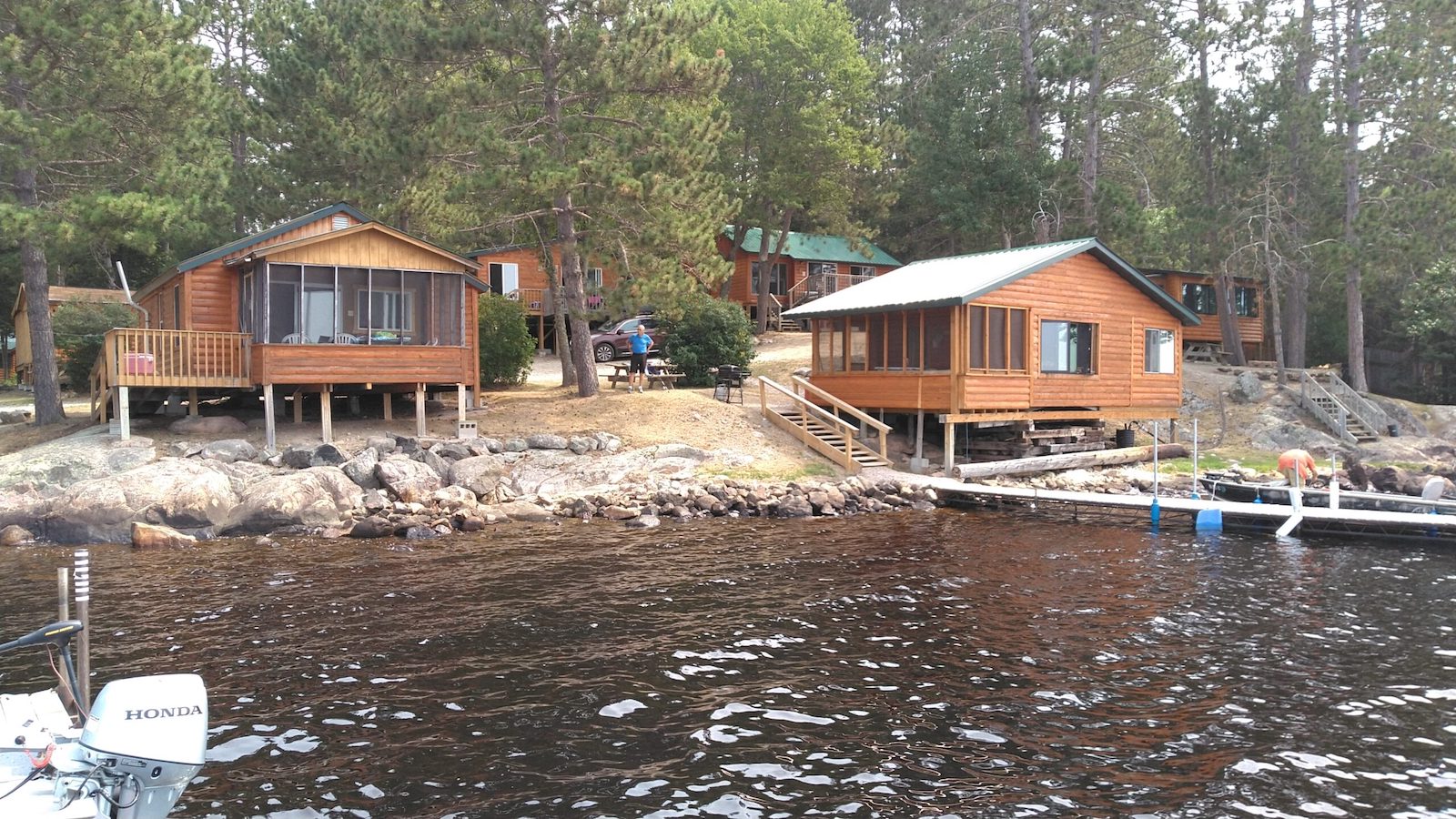
This is also where staying on a fishing-friendly lake can make a big difference. Easy water access, a comfortable cabin to return to, and the option to fish for a short evening window instead of committing to an all-day marathon can make the whole trip better. At White Iron Beach Resort, for example, guests have the kind of lake access that makes a sunset or after-dark outing feel easy rather than complicated.
The best night fishing trips are rarely the ones where everything is packed to the minute. They are the ones where you can head out when conditions look right, fish until the bite slows, and come back to a warm cabin and a quiet shoreline.
So, Can You Fish at Night in Minnesota?
Yes, you often can fish at night in Minnesota, and in many lakes it is one of the best times to be out there. The big catch is that rules can vary by water and species, so checking current regulations before you go is part of the plan. Once that piece is covered, the rest comes down to timing, safety, and choosing a setup that matches the lake.
If your idea of a great Minnesota getaway includes calm water, cool evening air, and the chance at a walleye just as the stars come out, night fishing is well worth making time for.