Online booking is currently closed.
Please call us at (218) 365-4885 to book.
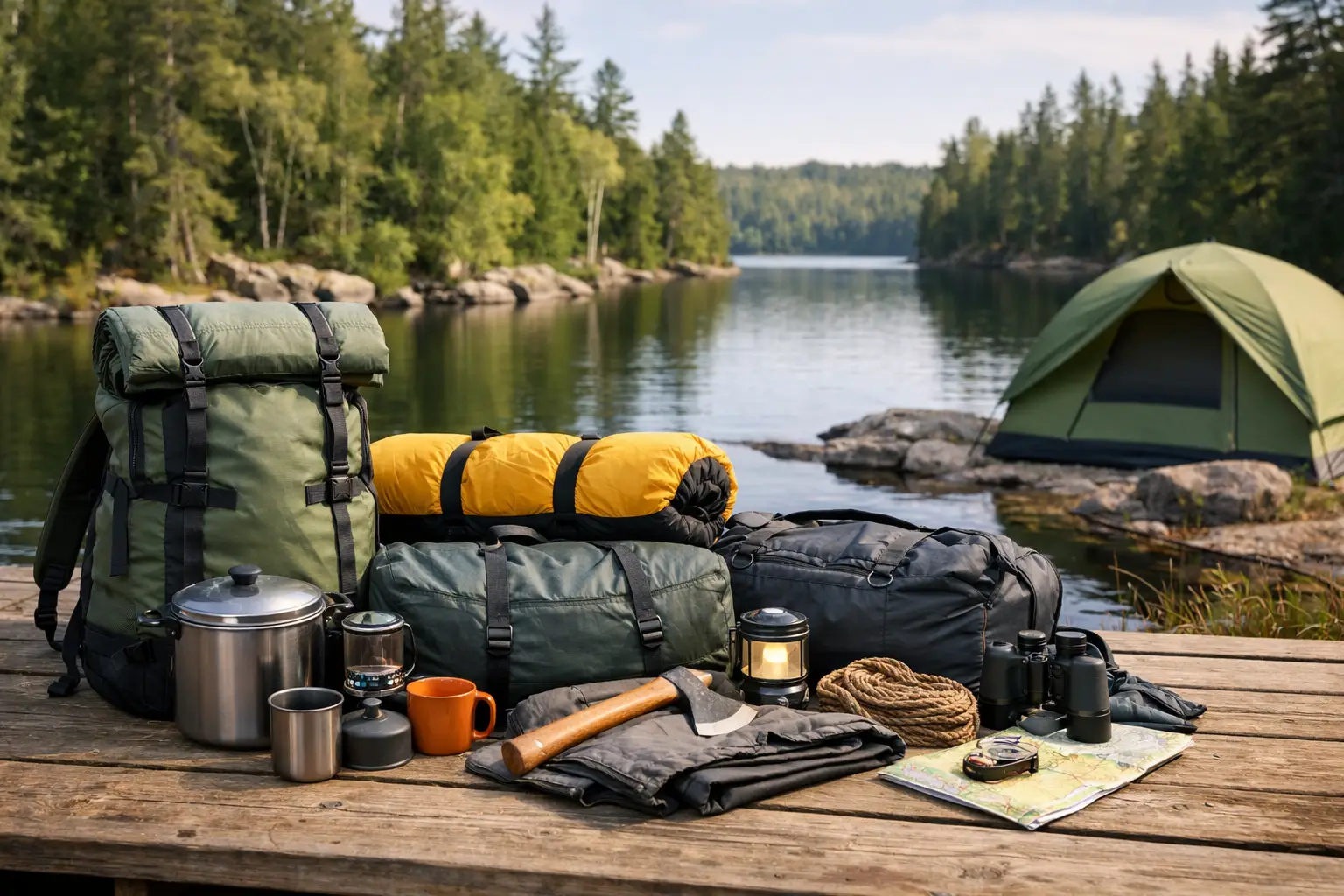
How to Pack a Boundary Waters Basecamp Well
The first evening at a Boundary Waters basecamp should feel like the start of vacation, not a scramble for a dry sleeping bag, a missing stove part, or the bug spray buried at the bottom of a canoe pack. Knowing how to pack Boundary Waters basecamp gear is really about building a camp that stays comfortable and organized for several days, even when the weather turns or the group comes back tired from a long paddle.
A basecamp trip gives families, anglers, and first-time wilderness visitors a wonderful middle ground. You still get the quiet water, starry nights, and true Northwoods scenery of the Boundary Waters, but you do not have to move every piece of gear each morning. Pack for one dependable home on the water, then spend your days fishing, swimming, hiking, or exploring nearby lakes.
How to Pack a Boundary Waters Basecamp for Your Group
Start by deciding what kind of days you want to have once camp is set. A family with young kids may want a roomy tent, an easy beach landing, games for rainy afternoons, and simple meals. A fishing group may put more space toward rods, tackle, a fish-friendly cooler plan, and comfortable camp chairs. A multigenerational group might prioritize extra sleeping comfort and a kitchen system that makes meals easy for everyone.
The trade-off is straightforward: comfort adds weight. Because you are staying in one place, it can be worth carrying a few extra camp comforts if your route has short or manageable portages. On a route with several long carries, keep the setup lighter and more compact. The best basecamp is not the one with the most gear. It is the one your group can carry safely and use without searching through every bag.
Assign each major camp job its own pack or dry bag before leaving home. Keep sleeping gear together, kitchen gear together, clothing together, and day-trip supplies together. Labeling bags with a strip of tape can save a surprising amount of time at the landing, especially when children are eager to help or a rain shower is moving in.
Pack sleeping gear to stay dry first
A quality tent, sleeping pad, sleeping bag, and pillow are the core of a good camp. Choose a tent with enough room for people and their gear, not simply enough floor space for bodies. A family tent can feel much more comfortable during a rainy morning when everyone has room to sit up, change clothes, and play a quick card game.
Bring a ground cloth that fits beneath the tent rather than sticking out past the edges, where it can collect rainwater. Pack the tent in a waterproof bag or line the pack with a heavy-duty pack liner. Sleeping bags and dry clothing deserve their own dry bags inside that liner. Redundancy may seem unnecessary on a sunny launch morning, but it feels very worthwhile after a wet paddle.
Nights near Ely can cool down quickly, even after a warm day. Pack a warmer layer than the forecast suggests, along with dry socks and a stocking cap. Cotton sweatshirts are comfortable around the cabin, but wool or synthetic layers are a better choice once you are out in the wilderness because they keep insulating when conditions get damp.
Build a Camp That Handles Sun, Rain, and Bugs
Your tent is for sleeping. A tarp is what makes a basecamp feel livable. Bring a sturdy tarp, rope or cordage, and a few simple attachment options so you can create a covered cooking and gathering area. Set it up early, before the rain starts, and angle it so water drains away from camp rather than toward your tent.
A tarp also provides welcome shade on bright afternoons. If your group enjoys fishing at sunrise and relaxing at camp in the middle of the day, that shaded space becomes the place for snacks, tackle sorting, reading, and telling stories while supper simmers.
Mosquitoes, black flies, and ticks are part of a real Minnesota outdoor experience, but they do not need to run the trip. Pack insect repellent, a head net for each person, lightweight long sleeves and pants, and a small tick-removal tool. Consider a screened shelter for a larger group or for campers who are especially bothered by bugs. It is extra bulk, but it can make evening meals far more enjoyable.
Plan Food Around Simple Camp Routines
Basecamp cooking works best when meals are familiar, filling, and easy to manage with limited water and cleanup. Plan the menu before packing, then divide ingredients by meal and day. This keeps everyone from opening every food bag to find breakfast on the second morning.
A dependable kitchen setup includes a camp stove with enough fuel, lighter or waterproof matches, cook pots, a pan, utensils, a cutting board, dish soap, a scrubber, and quick-dry towels. Bring a backup ignition source. A stove is more reliable than depending on a fire, particularly after rain or during fire restrictions.
For food, think beyond freeze-dried dinners. Oatmeal, bagels, peanut butter, sausage, eggs packed carefully for the first morning, tortillas, trail mix, dried fruit, pasta, rice sides, and shelf-stable chili can all work well. Fresh foods are great early in the trip, while dehydrated and shelf-stable options make the final days easier. If you are planning shore lunch with a legal catch, bring the oil, breading, pan, and seasonings you will need rather than assuming they are already in the camp box.
Pack all food, trash, scented toiletries, and cooking items for secure storage according to Boundary Waters rules and good wildlife practices. Keep the food area separate from where people sleep, clean up promptly, and never leave snacks in a tent. A tidy camp is easier to enjoy and kinder to the wildlife that belongs there.
Water is a system, not one item
Bring a water filter that can handle your group size, plus a backup purification method such as treatment tablets. A small filter may be fine for two adults, but it can become a frustrating bottleneck for six thirsty people cooking meals and filling bottles after a warm day on the water.
Keep one clearly marked container for untreated lake water and another for clean drinking water. Fill bottles before heading out for a day of fishing or paddling, and filter enough water for supper before everyone gets tired. Those small routines make camp life smoother.
Pack Day-Trip Gear Separately
Once your basecamp is established, you should be able to grab one bag and get on the water. Keep rain jackets, extra layers, first-aid supplies, maps, compass, sunscreen, snacks, water bottles, and a repair kit in a dedicated day pack. A map should stay accessible, not tucked under sleeping bags in the largest canoe pack.
For anglers, protect rods in tubes or secure them carefully in the canoe, and keep tackle limited to what you will realistically use. A compact selection of jigs, hooks, sinkers, leaders, bobbers, and a few proven presentations is more useful than a heavy box full of every lure you own. Bring needle-nose pliers, a small measuring device, and a fillet setup only if you plan to keep fish within regulations.
Do not forget the practical items that tend to become important far from the trailhead: extra cordage, duct tape, a multi-tool, spare paddle, headlamps with fresh batteries, and a waterproof phone case or communication device for emergencies. These items are not glamorous, but they are the difference between a minor inconvenience and a trip-changing problem.
Keep Portages Manageable From the Start
Even a basecamp trip usually includes at least one portage, and the canoe landing is often where packing decisions show their value. Aim for fewer, balanced loads that people can lift confidently. Avoid loose items. If camp chairs, fishing rods, rain gear, and snack bags are all hanging off the outside of packs, the carry gets harder and the chance of leaving something behind goes up.
Before launch day, do a full packing test in the driveway or cabin yard. Place the canoe packs, paddles, personal flotation devices, fishing gear, and day packs together as if you were loading at the water. This helps you see what is oversized, what is duplicated, and what needs a better home. It also gives every family member a role, from carrying their own small day pack to checking that headlamps and water bottles are ready.
Leave Camp Better Than You Found It
A Boundary Waters basecamp is a privilege, and the best campsites look nearly untouched when you paddle away. Use established campsites, respect fire rules, pack out every bit of trash, and keep soap, food waste, and human waste out of the lake. Resist the urge to cut branches or alter the site for convenience.
Before leaving camp each day, secure food, check the weather, and make sure a responsible person knows the plan. Before breaking camp for good, walk the site slowly in a line. Look for fishing line, bottle caps, tent stakes, food wrappers, and the small items that are easiest to miss.
Pack with a little extra care, and your Boundary Waters basecamp can become the kind of place families remember for years: morning coffee by quiet water, kids skipping stones from shore, a walleye story that grows with every retelling, and a dry, welcoming tent waiting at the end of the day.