Online booking is currently closed.
Please call us at (218) 365-4885 to book.
How to Plan Boundary Waters Day Trips From Ely
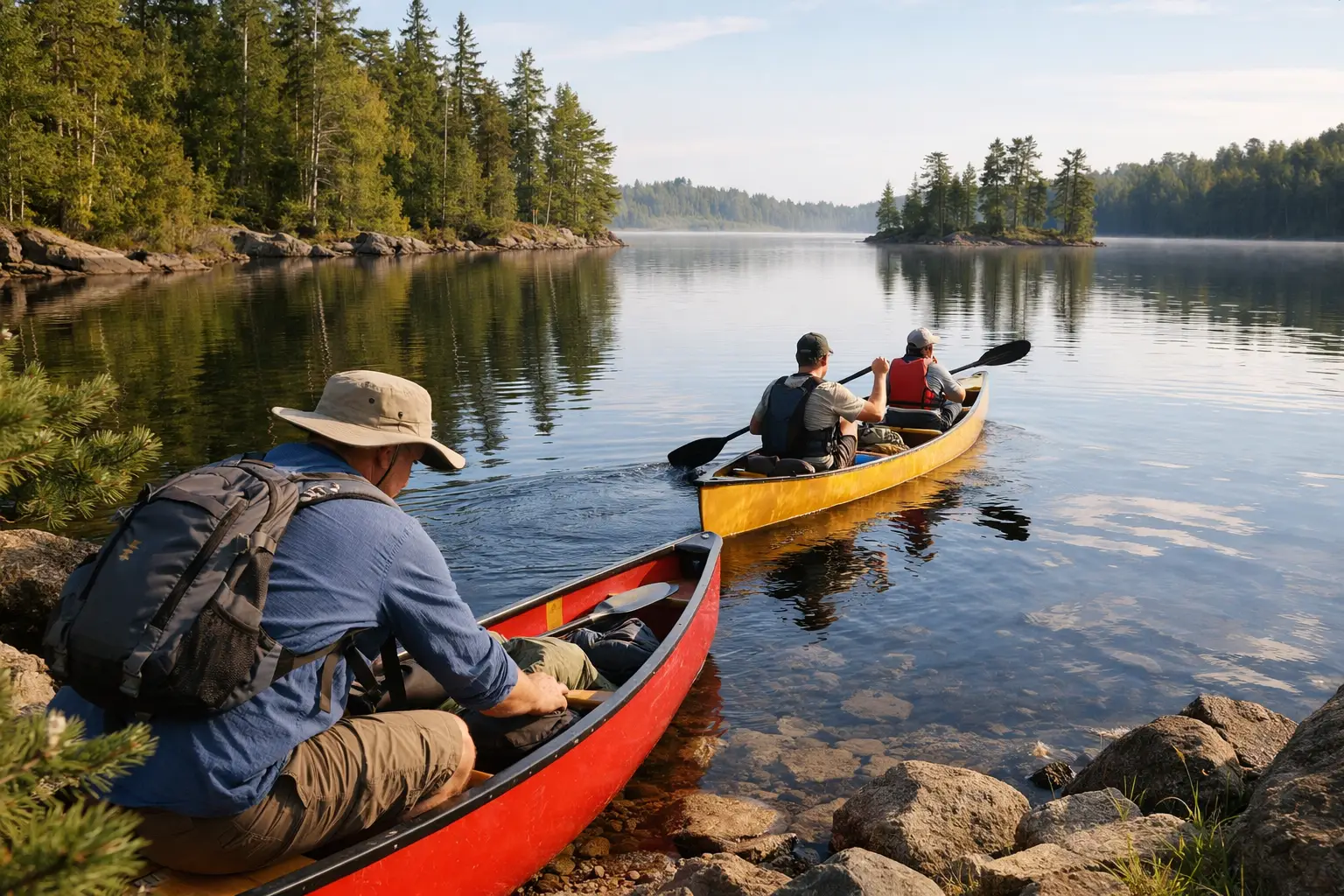
The first quiet paddle stroke after leaving the entry point feels different in the Boundary Waters. Motors fade away, the shoreline opens into spruce, pine, and rock, and even a few hours on the water can feel like a true Northwoods escape. Learning how to plan Boundary Waters day trips lets your family enjoy that wilderness feeling while returning to a hot shower, a comfortable cabin, and an evening by the lake.
A day trip is a great fit for families with younger kids, first-time paddlers, anglers who want to explore a new lake, and visitors who would rather not carry camping gear over portages. The key is to plan for a smaller day than you think you can handle. In the Boundary Waters, a short route with time to linger is usually more memorable than a long route spent watching the clock.
Start With the Right Boundary Waters Day Trip
Your route should match your group, not someone else’s adventure story. Consider how many people are paddling, whether children can comfortably sit in a canoe for several hours, how experienced everyone is with portages, and what you hope to do once you get there.
For a relaxed family outing, choose an entry point with easy parking, a direct paddle to scenic water, and little or no portaging. Plan to paddle out, stop for lunch and swimming, look for wildlife, and paddle back before afternoon winds build. A fishing-focused day may call for a route with several protected bays and a little more travel time. Experienced paddlers may enjoy linking lakes with one or two short portages, provided the forecast is calm and the group knows how to carry a canoe safely.
Do not measure a Boundary Waters route by road miles. A map may show only a few miles, but wind, shoreline navigation, fishing stops, snack breaks, and portages all add time. For many families, a four-to-six-hour outing, including breaks, is a full and satisfying day.
Choose an Entry Point, Then Study the Map
Pick an entry point that makes sense from Ely and gives you a clear turnaround plan. Study the route before you leave, not from a phone screen after reception disappears. Notice the direction of travel, lake sizes, likely landing spots, portage lengths, and protected places where you could stop if weather changes.
Large open lakes can become challenging when the wind rises. A route that looks easy on a calm morning may feel very different by midafternoon. Beginners are often happiest on smaller, more sheltered lakes or on routes where they can stay close to shore. If your plans include a long crossing, make it early in the day and keep a backup route in mind.
Know the Permit Rules Before You Go
The Boundary Waters Canoe Area Wilderness has permit requirements, and the correct permit depends on your trip type and entry point. Many non-motorized day visitors use a self-issued day-use permit available at the entry point. Some motorized day use and overnight trips require reservations and quota permits well ahead of time.
Rules, seasonal conditions, and access details can change, so confirm the current requirements for your exact entry point before your trip. Fill out the permit completely, carry the required copy with you, and follow the group-size and equipment restrictions. Wilderness regulations protect the water, wildlife, and solitude that make this area so special.
A day trip still calls for the same good habits as an overnight wilderness visit. Pack out every bit of trash, avoid disturbing plants and wildlife, keep voices low near campsites, and use designated restroom facilities where provided. Leave the shoreline looking as though your group never stopped there.
Build Your Day Around Weather and Wind
Weather is not a small detail in canoe country. Check the forecast the evening before and again on the morning you leave. Pay attention to wind direction and speed, thunderstorms, air temperature, and water temperature. A bright summer day can still turn uncomfortable quickly when a strong breeze pushes across a big lake.
Plan an early start. Morning water is often calmer, and launching early gives you room to slow down, fish a little longer, wait out a brief shower from shore, or turn back without stress. Tell someone where you are going, which entry point you will use, and when you expect to return.
If lightning is forecast nearby, choose another activity. If wind is already making whitecaps at the landing, do not try to muscle through because the route is on your itinerary. Turn around, select a more protected option, or save the Boundary Waters paddle for a better day. The wilderness will still be there tomorrow.
Pack Light, But Pack for a Real Wilderness Day
A Boundary Waters day trip does not require a mountain of gear, but it does require the right basics. Keep essential items in a waterproof bag, and dress for the water temperature as well as the air temperature. Everyone in the canoe should wear a properly fitted life jacket, especially children.
Bring these essentials:
- A paper map and compass, plus the knowledge to use them
- Full water bottles and easy-to-eat lunch and snacks
- Rain layers, a warm layer, sun protection, and bug protection
- First-aid supplies, a whistle, and a small emergency light
- A dry bag for phones, keys, medications, and extra clothing
- A lightweight trash bag for everything you bring in
Cell service is unreliable once you are out on the water, so do not make your phone your only navigation or safety plan. A camera is fun to bring, but the best photos often happen when the camera is tucked away and everyone has both hands ready for the paddle.
Make Portages Easier for Kids and First-Timers
A portage is simply the trail between lakes, but it can be the part of the day that surprises new visitors. Rocks may be wet, roots may cross the trail, and the landing can be uneven. Keep packs compact, use shoes with secure soles, and move slowly. There is no prize for finishing a portage fast.
For families, make the first portage short and treat it as part of the adventure. Let kids carry a light daypack, point out wildflowers or animal tracks, and remind them to stay on the trail. Adults should handle canoes and heavy packs. If a route involves several carries or a long trail, it may be better saved for children who have already enjoyed a few easier paddles.
Leave Time for the Moments You Cannot Schedule
The best Boundary Waters day trips have room for surprises. A loon may surface beside the canoe. A bald eagle may circle above a point of pines. The kids may find the perfect smooth rock for lunch, or the fishing may be better in one quiet bay than you expected.
Build in time to stop without feeling behind. Pull over for a shore lunch, stretch legs at a portage landing, and listen for the call of loons rather than filling every minute with paddling. If you are fishing, keep expectations flexible. Some days bring a steady bite; other days are better for drifting quietly and learning the water.
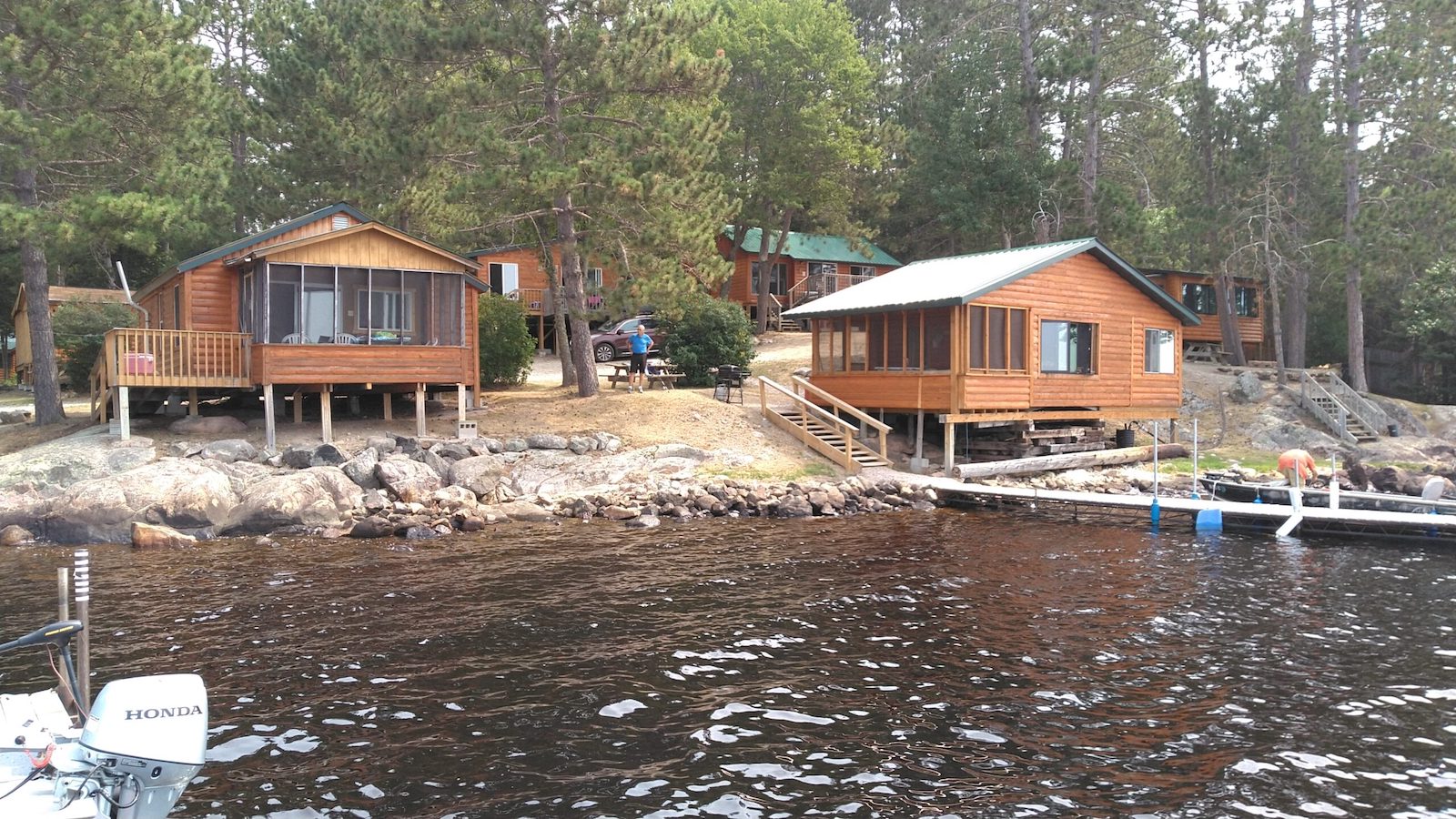
Visitors staying near Ely can make the experience even easier by using a comfortable resort cabin as a home base. At White Iron Beach Resort, a day on Boundary Waters water can be followed by a swim, a family meal, or an evening of fish, relax, or play in the lake. That balance is especially welcome after a day of paddling and fresh air.
Have a Simple Turnaround Rule
Before launching, agree on the point when your group will turn around. It might be a specific island, a portage, a lunch spot, or a set time on the watch. This prevents the common mistake of paddling farther because everyone is having fun, then facing a long return in afternoon wind.
When in doubt, turn back early. A successful Boundary Waters day trip is not about reaching the farthest lake or checking off the longest route. It is about getting everyone home safely with tired arms, clear memories, and enough energy to start talking about the next paddle.