Online booking is currently closed.
Please call us at (218) 365-4885 to book.
How to Plan a Multigenerational Lake Trip
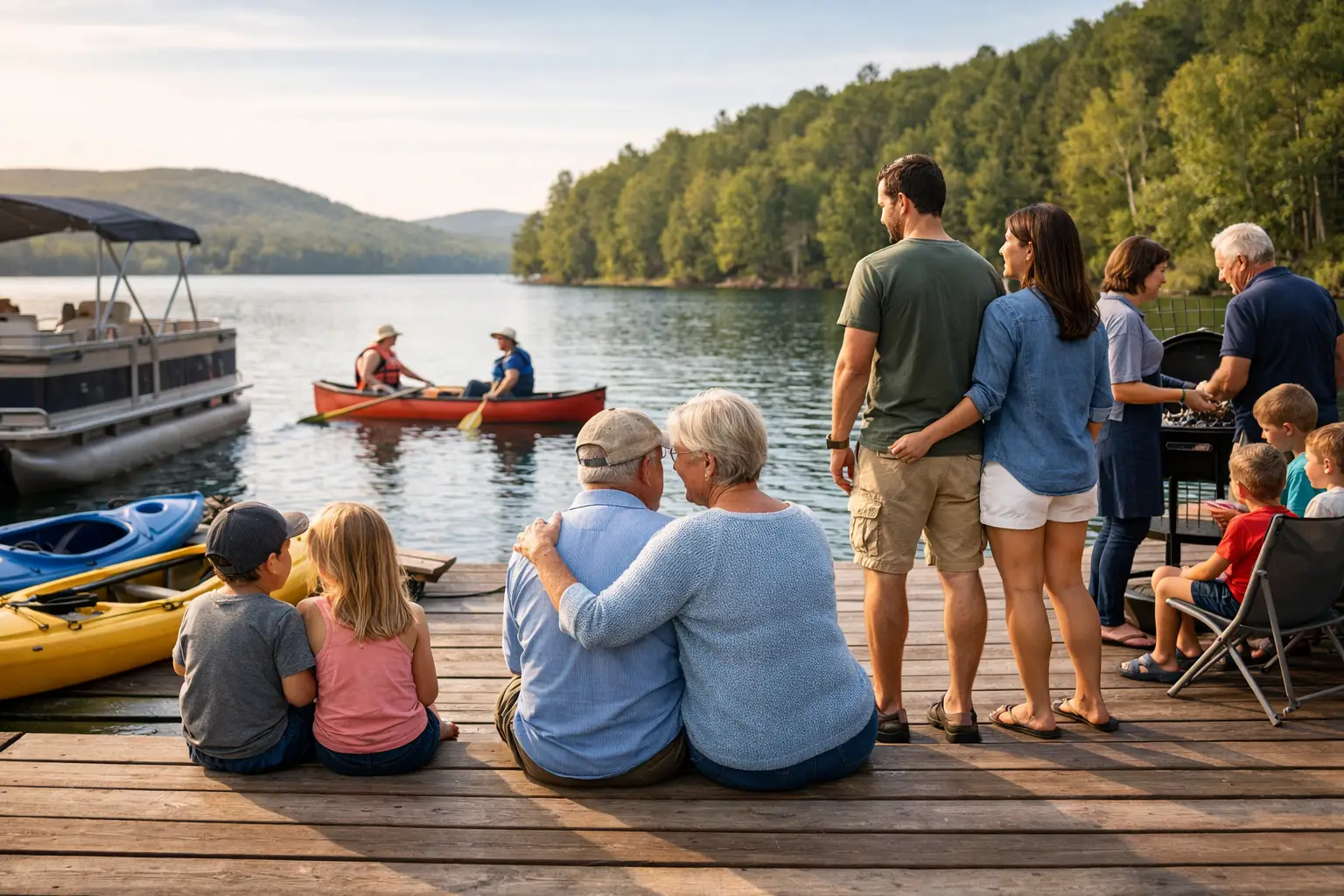
The best lake trips are not built around a packed schedule. They happen when Grandpa catches the first walleye of the morning, the kids spend an hour jumping off the dock, and someone starts supper while everyone else is still telling stories on the beach. Knowing how to plan a multigenerational lake trip means creating enough structure for the group to feel comfortable, with enough breathing room for each generation to enjoy the lake in its own way.
A Northwoods vacation is especially well suited to this kind of gathering. One cabin can be home base for morning coffee, fishing plans, card games, naps, and late-night laughter. The key is choosing a destination and a rhythm that make togetherness easy rather than demanding.
Start With the Right Lake Resort Setup
Before anyone packs a cooler, get clear on who is coming and what they need to have a good week. A multigenerational group can include toddlers with early bedtimes, teens who want independence, parents managing meals and gear, grandparents who appreciate a comfortable chair and an easy walk to the water, and anglers who want to be on the lake at sunrise.
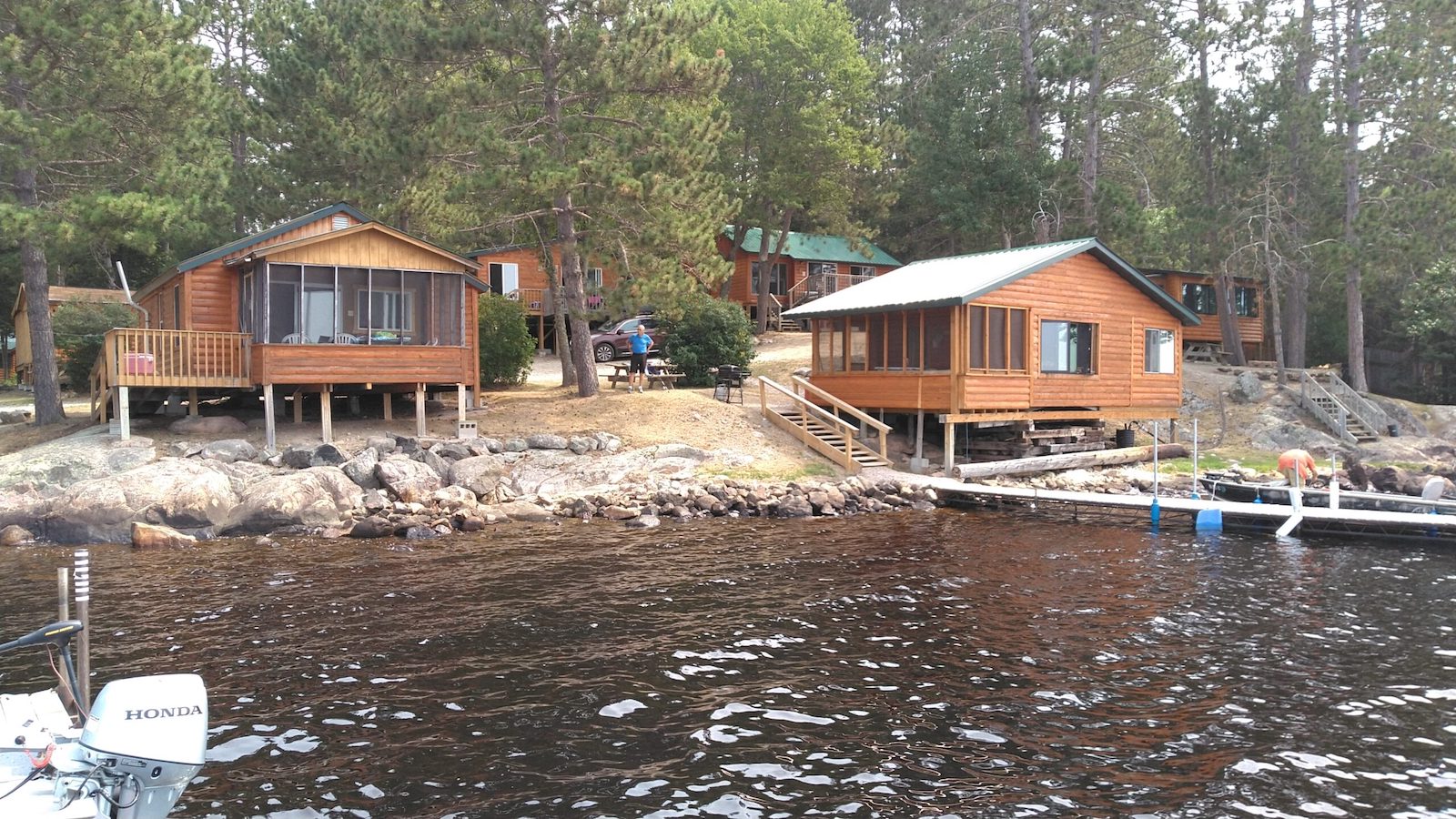
That is why cabin style matters as much as the view. Look for lodging with enough bedrooms or nearby units for privacy, comfortable common areas for gathering, a functional kitchen, and parking close by. A group of 10 may prefer one large cabin where everybody shares the same porch. Another family may have more fun reserving two neighboring cabins, giving young children a quiet place to sleep and adults a little room to recharge.
Accessibility is worth discussing early, too. Ask about steps, paths to the beach, bathroom layouts, dock access, and how close the cabin is to recreation areas. No two families have the same needs, and a few practical questions before booking can make the entire stay feel more relaxed.
At White Iron Beach Resort, cabin and duplex options give groups room to choose the arrangement that fits their family, from classic lake cabins to larger lodging for extended gatherings. Having boats, pontoon rentals, and family activities on-site also means less time spent loading everyone into vehicles and more time enjoying the lake.
How to Plan a Multigenerational Lake Trip Around Everyone
The easiest planning mistake is building the trip around the most energetic people in the group. Fishing all day, hiking every afternoon, and dining out every evening may sound exciting, but it can leave younger kids overstimulated and older relatives worn out by day two.
Instead, make one or two activities each day the main event. A morning fishing outing, a pontoon ride after lunch, or an afternoon at the swimming beach is enough to give the day shape. Leave the remaining hours open for naps, reading, kayaking, board games, dock fishing, or simply sitting outside with a view of the water.
A simple group conversation before the trip can prevent frustration later. Ask each person or household to name one activity they would really like to do. You may hear fishing, swimming, a Boundary Waters day trip, an Ely outing, wildlife watching, or a campfire night. Put the priorities on a loose shared plan, then resist the urge to fill every blank space.
It also helps to separate “everyone activities” from “optional activities.” A family fish fry or pontoon cruise may be something the whole group can enjoy. A four-hour fishing run or a more challenging hike does not need to include every person. Giving people permission to split up for part of the day makes the time together better when the group reconnects.
Pick Activities With More Than One Way to Participate
The lake is a natural gathering place because people can enjoy it at different speeds. One person may cast from the dock while another paddles a kayak, and a grandparent can watch the kids play from a bench near the beach. That is a better fit for a mixed-age trip than an activity where everyone must keep the same pace.
Plan for a range of options close to your cabin. Fishing is a great example: serious anglers can head out early for walleye, northern pike, bass, or crappie, while beginners can learn to cast from shore or join a short, low-pressure boat outing. A pontoon is especially helpful for multigenerational groups because it turns a boat ride into a shared experience. Bring snacks, life jackets sized for children, an extra layer for cool mornings, and a plan for getting on and off the boat safely.
Water activities need a little flexibility. Young children may be thrilled with sand toys and shallow swimming, while teens may want paddle boards, kayaks, or a chance to take a canoe out with an adult. Keep a dry bag with towels, sunscreen, insect repellent, water bottles, and simple snacks ready by the door. It saves a surprising amount of time when everyone is eager to get outside.
For rainy or quieter stretches, bring a small stack of cards, puzzles, coloring supplies, and familiar games. These are not backup plans for a failed vacation. They are part of cabin life, especially when rain taps the windows and somebody puts on coffee while the kids work on a puzzle at the table.
Make Meals Easy Enough to Enjoy
Food can become the biggest source of stress on a large family trip, especially if one person becomes the automatic cook, shopper, and dishwasher. Decide before arrival how meals will work. Some groups assign each household one dinner. Others plan two larger shared meals and keep the rest simple with sandwiches, grilled food, leftovers, and easy breakfasts.
Choose meals that do not require everybody to sit down at the same minute. A taco bar, burgers on the grill, pasta with salad, chili, or a fish fry can accommodate different appetites and schedules. Keep breakfast casual, with options such as fruit, yogurt, eggs, cereal, bagels, and coffee available when people wake up.
If the group includes little kids, pack familiar snacks and a few dependable meals. If grandparents have dietary needs, make space in the grocery plan for those needs from the start rather than trying to improvise later. Labeling shelves in the cabin refrigerator or using separate coolers can also keep a big group organized without making the kitchen feel crowded.
Most importantly, share the work. The person who planned the trip deserves time on the dock, too.
Build in Safety Without Making It Complicated
Lake vacations feel carefree when the basics are handled well. Bring properly fitted life jackets for children and confirm that everyone knows the rules for swimming, boating, and dock use. Designate adults for water supervision rather than assuming someone is watching. This is especially important during busy moments, such as unloading a boat or when several children are playing near the shoreline.
Minnesota weather can change quickly, so pack layers even in summer. A sweatshirt, rain jacket, closed-toe shoes, sun hat, and light blanket can make a cool evening or breezy boat ride much more comfortable. Bug spray and sunscreen belong near the cabin door, where they are easy to grab before every outing.
It is also smart to plan transportation with care. If some family members need a rest day or prefer not to travel far, choose a destination where fishing, swimming, paddling, and relaxing are available without a long drive. Convenience is not a minor detail on a multigenerational trip. It is what gives people the freedom to join in when they want to.
Let the Lake Set the Pace
A memorable family lake trip will not look exactly like the itinerary you made at home. The fish may bite later than expected. A child may decide the beach is better than the planned outing. An afternoon thunderstorm may turn into an unforgettable card tournament and a long conversation on the porch.
Leave room for those moments. Take the group photo, but do not spend the week trying to produce one. Let the early risers enjoy the quiet water, let the kids get sandy, and let the adults linger after supper while the lake turns still. The best plan is one that gives every generation a place to belong, then lets the Northwoods do the rest.