Online booking is currently closed.
Please call us at (218) 365-4885 to book.
How to Schedule Family Boating for More Fun
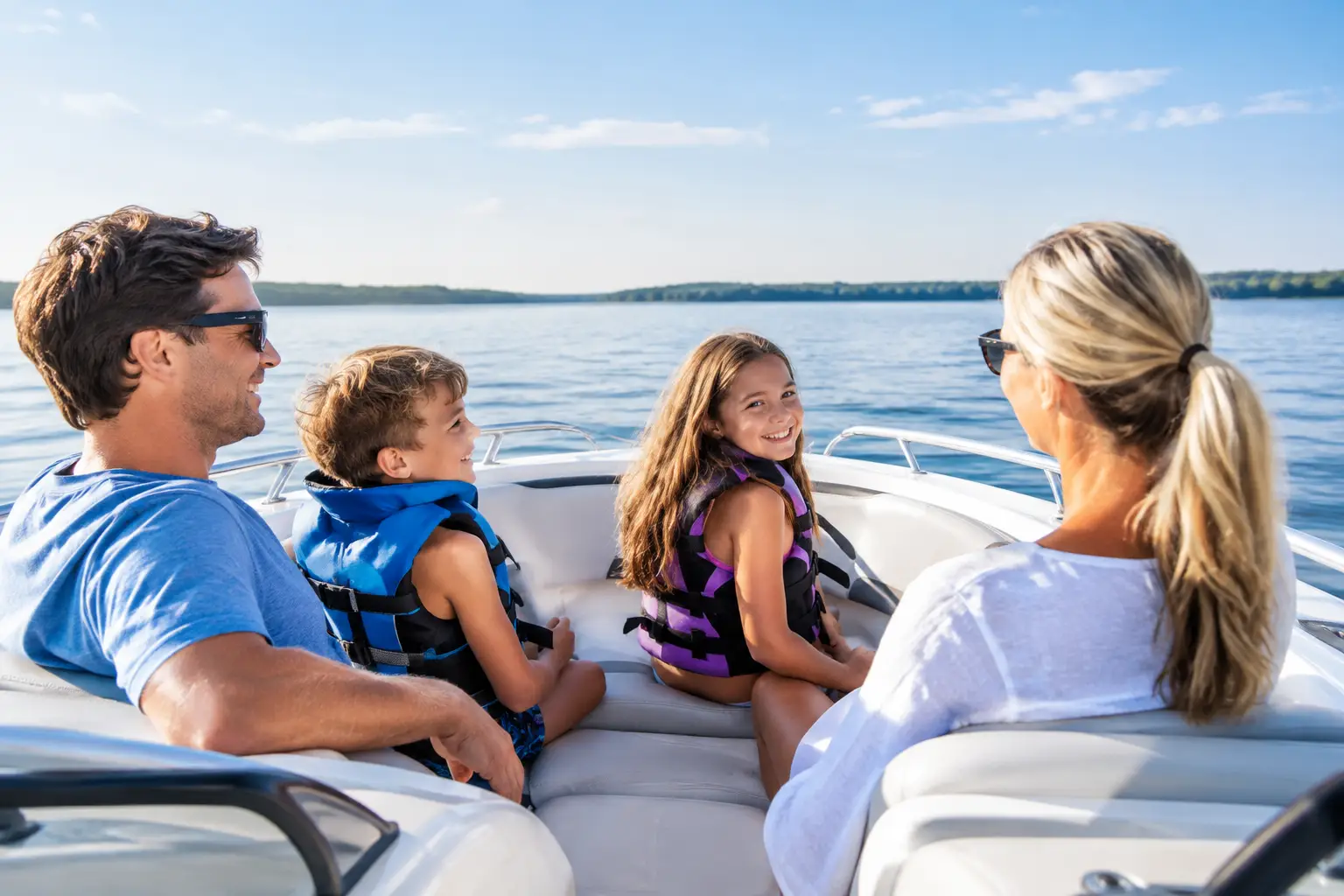
The best lake days rarely happen when every minute is planned. They happen when the kids have time to jump in for one more swim, the anglers get an unhurried morning on the water, and everyone is back at the cabin before hunger and tiredness take over. Learning how to schedule family boating is less about building a strict itinerary and more about giving each person a piece of the lake day they came to enjoy.
For a family vacation in Ely, Minnesota, that flexibility matters. White Iron Lake can be the setting for a peaceful pontoon cruise, a productive fishing trip, a paddle close to shore, or an afternoon of swimming and playing. With a little planning before you arrive, your boating time can feel easy from the first launch to the last sunset ride.
Start with the kind of lake day your family wants
Before reserving a boat or assigning departure times, talk about what would make the day feel successful for your group. A family with young children may care most about a short pontoon outing, a calm beach, and an early dinner. A multigenerational group might want a scenic ride that lets grandparents relax while kids spot loons and eagles. A fishing-focused family may be happiest splitting the day between an early fishing run and an afternoon cruise.
Trying to do everything in one outing is where boating schedules can become stressful. A three-hour plan that includes serious fishing, swimming, sightseeing, lunch, and tubing can leave everyone feeling rushed. Choose one main purpose for each boat trip, then leave room for a happy detour.
For many families, two shorter outings work better than one long day on the water. The first can be a quiet morning fishing trip or paddle, followed by breakfast back at the cabin. The second can be a relaxed afternoon pontoon ride, swim stop, or sunset cruise. This rhythm gives younger children time to reset and keeps the lake from becoming another item on a packed vacation checklist.
How to schedule family boating around the weather
On a northern Minnesota lake, weather should shape the plan, not ruin it. Check the forecast the evening before, then look again in the morning for wind, rain, temperature, and any storm chances. Calm mornings are often ideal for families who want to fish, paddle a canoe or kayak, or simply enjoy a smooth ride before the day warms up.
Afternoons can be wonderful for swimming and pontoon time, but they may also bring stronger winds or pop-up storms. If the forecast calls for changing conditions, schedule your longer ride earlier and save shore-based fun for later. There is no prize for staying out when the wind picks up, the sky darkens, or children are clearly done for the day.
Build a weather backup into every boating plan. That might mean shifting from a planned fishing trip to board games and cabin time in the morning, then heading out when the lake settles. It can also mean swapping an afternoon ride for an earlier one. A flexible plan turns a rainy hour into part of the vacation instead of a disappointment.
Plan for the water temperature, too
A sunny day does not always mean warm swimming water, especially early in the season. Pack towels, dry clothes, snacks, and layers even if the forecast looks perfect. Children who are comfortable are more likely to enjoy the boat ride, and adults will appreciate not having to cut an outing short because someone is cold.
Reserve the boat that matches your group
The right boat makes scheduling much easier. A pontoon is often the most flexible choice for a family group because it provides room to sit, visit, bring a cooler, and include multiple generations. It is a strong fit for a sightseeing ride, a casual fishing outing, or an afternoon when the plan is simply to fish, relax or play in the lake.
A fishing boat may be the better option when the main goal is catching walleye, crappie, bass, or northern pike. If only part of the family wants to fish, consider whether the anglers should take an early trip while everyone else enjoys a slower cabin morning. Later, the whole group can reconnect for a boat ride better suited to conversation and sightseeing.
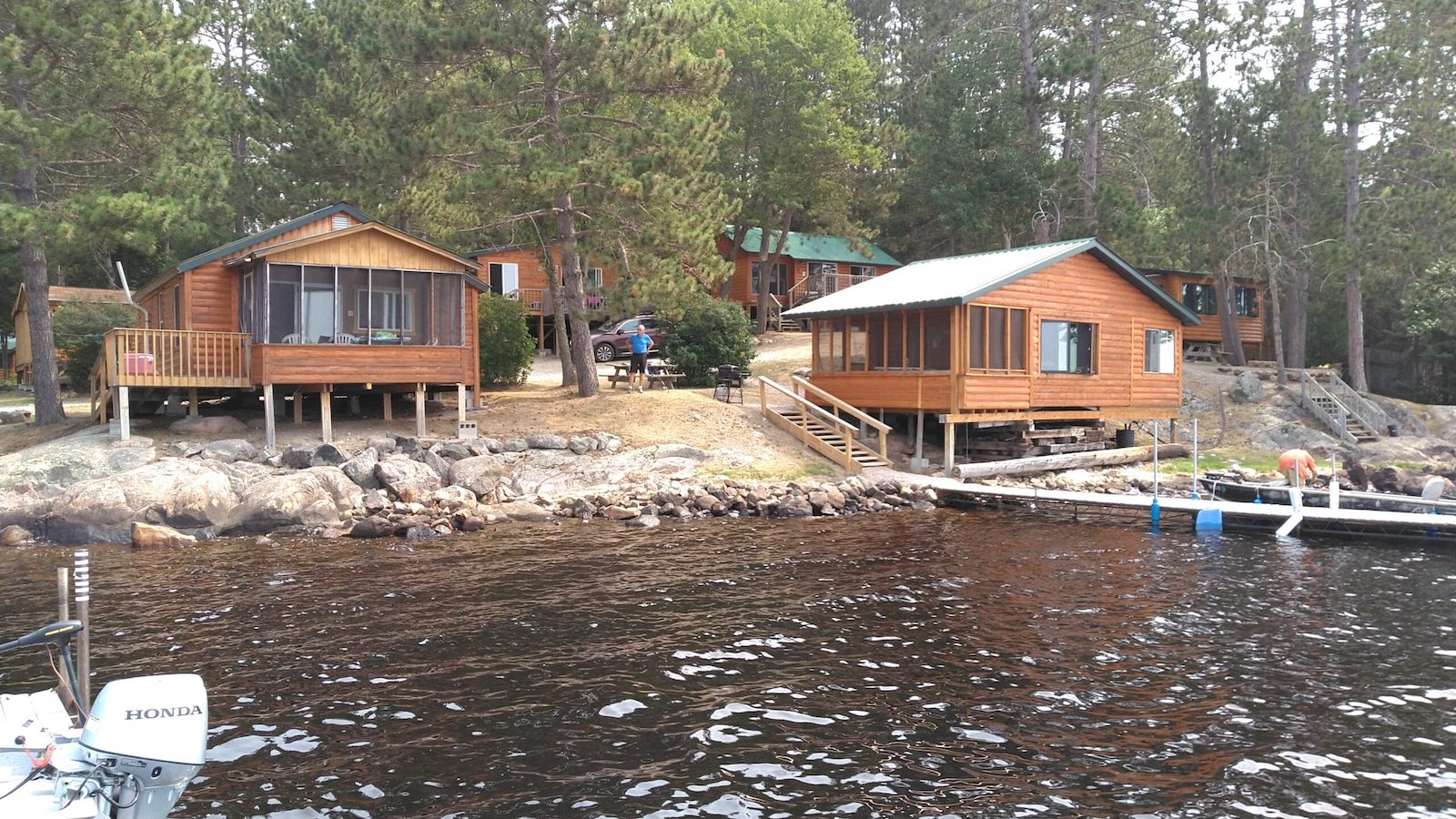
Canoes, kayaks, and paddle boats are perfect for filling the open spaces in your schedule. They do not require a major commitment of time, so they work well before breakfast, after a swim, or while dinner is cooking. At White Iron Beach Resort, complimentary nonmotorized watercraft give families an easy way to get on the lake without turning every outing into a full production.
When you reserve, think beyond the number of seats. Consider the age of your passengers, how much gear you will bring, whether anyone needs extra stability getting in and out, and how long people realistically want to be aboard. A little more space can make a big difference on a warm afternoon with life jackets, towels, fishing gear, and snacks in the mix.
Create a simple daily rhythm
A family boating schedule works best when it follows natural energy levels. Morning is often the sweet spot for fishing, quiet paddling, and long rides before younger kids get restless. Midday is a good time for lunch, swimming, beach play, and cabin breaks. Evening is made for a short cruise, casting a line near shore, or watching the light change across the water.
Rather than assigning exact times to every activity, use a few anchors. Plan an early launch, lunch back at the cabin, and a decision point in the afternoon. At that decision point, ask the group whether they want another boat ride, more time at the beach, or a slower evening at the resort. Giving everyone a voice helps prevent the loudest preference from setting the entire vacation agenda.
Keep the first outing of the trip short. Even experienced boaters need a moment to settle into a new lake, and children may need time to get used to life jackets, boat movement, and the noise of the motor. A successful first ride builds confidence for a longer outing later in the week.
Leave room for fishing without making everyone fish
Fishing is one of the great reasons families return to the Ely area, but not every person needs to be an all-day angler. The easiest solution is to make fishing a defined part of the schedule rather than the only activity on it. An early two- or three-hour trip can give dedicated anglers their best chance while leaving plenty of day for the rest of the family.
If children are joining, set realistic expectations. Bring snacks, water, sunscreen, and a second activity such as a nature book or binoculars. Celebrate the process, whether that means learning to cast, finding a good spot, or spotting a loon near the shoreline. A child who catches one fish and wants to go swimming has still had a great lake day.
It also helps to plan a separate outing for serious fishing. That gives experienced anglers the chance to focus while protecting the family cruise from becoming a long wait for a bite. Everyone gets more of what they came for.
Make safety part of the schedule, not an interruption
The safest boating day starts before anyone steps onto the dock. Make sure properly fitted life jackets are ready for every passenger, review basic boat rules with children, and decide who is responsible for loading gear, watching younger kids, and keeping an eye on the weather. These small jobs prevent the hurried, distracted launch that can start a vacation outing on the wrong foot.
Schedule enough time to return before dinner, darkness, or an approaching storm. It is tempting to stay out for one more cast or one more lap around the lake, but a calm return is always better than racing the clock. Keep phones charged, bring drinking water, and let someone on shore know where you expect to be, especially when heading farther from the resort.
For families new to boating, ask for local guidance before departing. Knowing where the calmer water is, where to watch for changing conditions, and which areas are best for your planned activity can make the whole experience more relaxed.
Let the best moments change the plan
A well-scheduled boating vacation should still have room for surprise. Maybe the kids discover they love kayaking more than tubing. Maybe the grandparents decide a sunset pontoon ride is the highlight of the trip. Maybe the fishing is especially good one morning and the group wants to stay out a little longer.
That is the beauty of a lake vacation. Set aside the time, choose the right boat, watch the weather, and give your family permission to follow the moments worth staying for. The schedule is there to make room for memories, not to rush you past them.