Online booking is currently closed.
Please call us at (218) 365-4885 to book.
How to Select Walleye Tackle for Ely Lakes
A calm point, a light ripple, and a little patience can turn an ordinary lake morning into the fishing story everyone tells back at the cabin. Knowing how to select walleye tackle gives you a much better chance of making those moments happen. On Ely-area waters, the best setup is rarely the biggest or most expensive one. It is the tackle that matches the season, depth, water conditions, and the way walleyes are feeding that day.
Walleye fishing can look simple from the dock: a rod, a boat, and a favorite lure. But these fish often change locations and preferences as the weather shifts. A small, well-chosen selection lets you adapt without filling every compartment in the boat with gear. Whether you are bringing experienced anglers, introducing kids to their first walleye, or planning a dedicated fishing trip, start with dependable basics and build from there.
Start With a Versatile Walleye Rod and Reel
For most walleye fishing, a spinning setup is the easiest and most useful place to begin. Choose a 6-foot, 6-inch to 7-foot medium-light or medium-power spinning rod with a fast action. That combination is sensitive enough to feel a soft walleye bite, yet has enough backbone to set the hook and handle an occasional northern pike or smallmouth bass.
A 2000- or 2500-size spinning reel balances well with this rod length. Look for a smooth drag rather than chasing extra features. Walleyes do not usually make the long, powerful runs of a trophy muskie, but a smooth drag protects light line when a larger fish turns beneath the boat.
If your group plans to troll crankbaits for long stretches, a medium-power baitcasting or line-counter setup can be useful. It makes repeating productive depths easier. Still, it is not necessary for a relaxed family fishing day. A good spinning rod can pitch jigs, fish a live-bait rig, cast a small crankbait, and work a slip bobber.
Choose Line That Fits the Presentation
Line affects how naturally your bait moves and how well you feel the bite. For jigging and live-bait rigs, 6- to 10-pound monofilament is a friendly choice for many anglers. It is affordable, forgiving, and easy for newer anglers to manage. An 8-pound line is a reliable all-around starting point.
Braided line in the 10- to 15-pound range offers excellent sensitivity, especially when wind, deeper water, or a long cast makes subtle bites hard to detect. Because braid is visible and has little stretch, add a 2- to 4-foot fluorocarbon leader in clear water. Fluorocarbon can also help when fish are pressured or fussy.
There is a trade-off. Braid helps you feel more, but it can tangle more easily for young anglers and requires attention around rocks and frayed sections. Monofilament is often the better choice when the goal is simple, stress-free time on the water. Check your line frequently around rocky shorelines, reefs, and timber, then retie when it feels rough.
How to Select Walleye Tackle by Season
The calendar provides a helpful starting point, but water temperature and weather matter just as much. A sudden cold front in July can make walleyes behave more like they do in spring, while a warm early season can move fish quickly.
Spring: Jigs and Live Bait Near Shore
Early-season walleyes often hold near shallow structure, current areas, rocky shorelines, and newly warming bays. A simple jig and minnow is hard to beat. Carry 1/8-ounce, 1/4-ounce, and 3/8-ounce jigs. Use the lightest jig that still reaches the bottom and stays in contact as the boat drifts.
In clear water, choose natural jig colors such as chartreuse, white, black, brown, or a subtle mix of these shades. A bright orange or pink accent can be valuable on cloudy days or in stained water. Tip the jig with a fathead minnow, shiner, leech, or soft-plastic minnow body, depending on local bait availability and regulations.
When the bite is gentle, do not overwork the jig. Lift it a few inches, let it fall, and pause. Many spring walleyes pick up the bait while it rests near bottom.
Summer: Cover More Water
As summer progresses, walleyes may move to deeper edges, humps, reefs, weedlines, and cooler water. This is when a live-bait rig becomes especially valuable. A basic rig includes a sliding sinker, bead, swivel, leader, hook, and a leech or crawler. It moves slowly and naturally, making it a strong option when fish are present but unwilling to chase.
Use a 1/4- to 1/2-ounce sinker depending on wind and depth. For hooks, a No. 4 or No. 6 octopus-style hook works well with leeches and crawlers. Keep the leader longer – often 4 to 6 feet – in clear water or calm conditions. Shorten it a bit when wind makes boat control difficult.
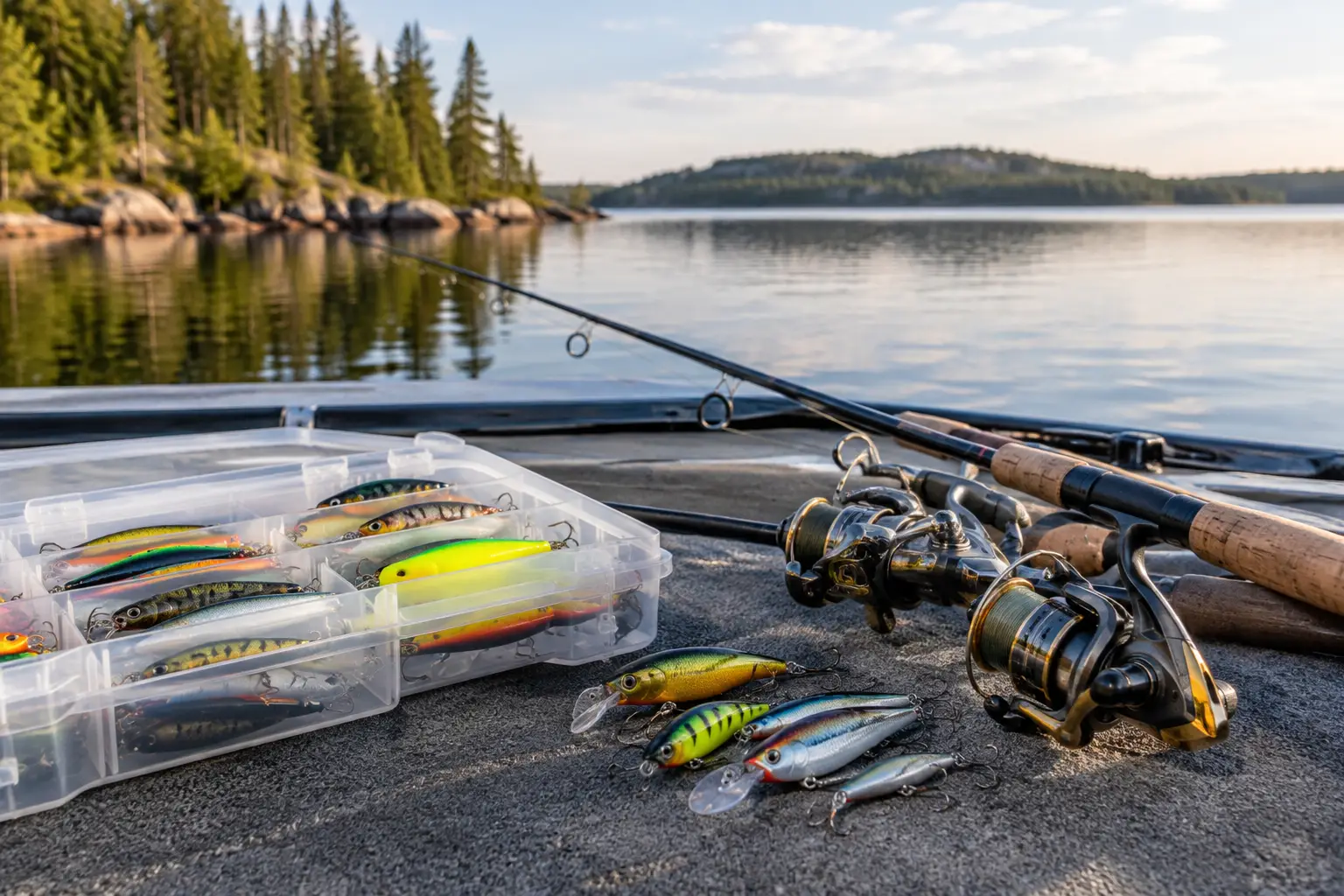
Crankbaits are another smart summer choice, particularly for locating active fish. Select diving plugs that run at the depth you are targeting and use colors that fit the water. Natural perch, shiner, gold, and silver patterns are dependable in clear lakes. Brighter firetiger, orange, and chartreuse patterns can shine in low light, wind, or darker water. Bring a small assortment rather than five versions of the same lure.
Fall: Match the Forage and Slow Down
Fall can offer excellent walleye fishing as water cools and baitfish become more concentrated. Jigs tipped with minnows return to center stage, while crankbaits can produce when fish are feeding aggressively. Walleyes may be shallow during low-light periods and slide deeper under bright conditions.
This is a good time to carry slightly larger minnow-profile baits, especially where larger forage is present. Pay attention to the lake rather than relying on a single rule. A sunny, still afternoon may call for a subtle presentation, while a cloudy, windy day can create a better shallow bite than expected.
Pack the Core Presentations, Not Every Lure
A tackle box becomes more useful when every item has a job. For a well-rounded Ely fishing trip, bring a few jig sizes, jig heads in natural and bright colors, hooks and sinkers for live-bait rigs, a handful of slip bobbers, several crankbaits that cover shallow to moderate depths, and a few soft-plastic paddletails or minnow bodies.
Slip bobbers deserve a place in the box, especially for families. They allow anglers to present a leech or minnow at a precise depth along a weedline, break, or rocky point. Kids can watch the float, stay engaged, and learn what a real bite looks like. A bobber setup is also a relaxing choice when the wind is light and the lake is calm.
Do not forget practical items: needle-nose pliers, a hook cutter, a small landing net, a measuring board, sunscreen, rain gear, and a waterproof box for licenses and phones. A fish finder helps locate depth changes and suspended fish, but it does not replace paying attention to wind direction, shoreline shape, and the activity you see on the water.
Let Conditions Choose Color, Weight, and Speed
When anglers ask which walleye lure color is best, the honest answer is that it depends. Start with natural patterns in clear water and bright conditions. Move toward brighter colors when clouds, waves, stained water, or low light reduce visibility. If fish follow but do not strike, try a smaller profile or a quieter color before leaving the area.
Jig weight should match depth and drift speed. Too light, and you lose bottom contact. Too heavy, and the bait looks stiff and spends less time gliding naturally. In a strong wind, use a heavier jig or drift sock to slow the boat rather than fighting the conditions with an oversized weight.
Speed matters just as much. Live bait usually performs best at a slow, controlled pace. Crankbaits generally need more movement to trigger strikes. If a trolling pass produces a fish, note your speed, depth, direction, and lure color before making another pass. Small details often reveal the pattern.
Keep It Comfortable and Fishable
The right tackle should make the day more enjoyable, not turn it into a lesson in sorting gear. Bring enough rods so the group can fish different presentations, but not so many that the boat feels crowded. Keep one setup ready for jigging, one for a live-bait rig or slip bobber, and one for casting or trolling a crankbait.
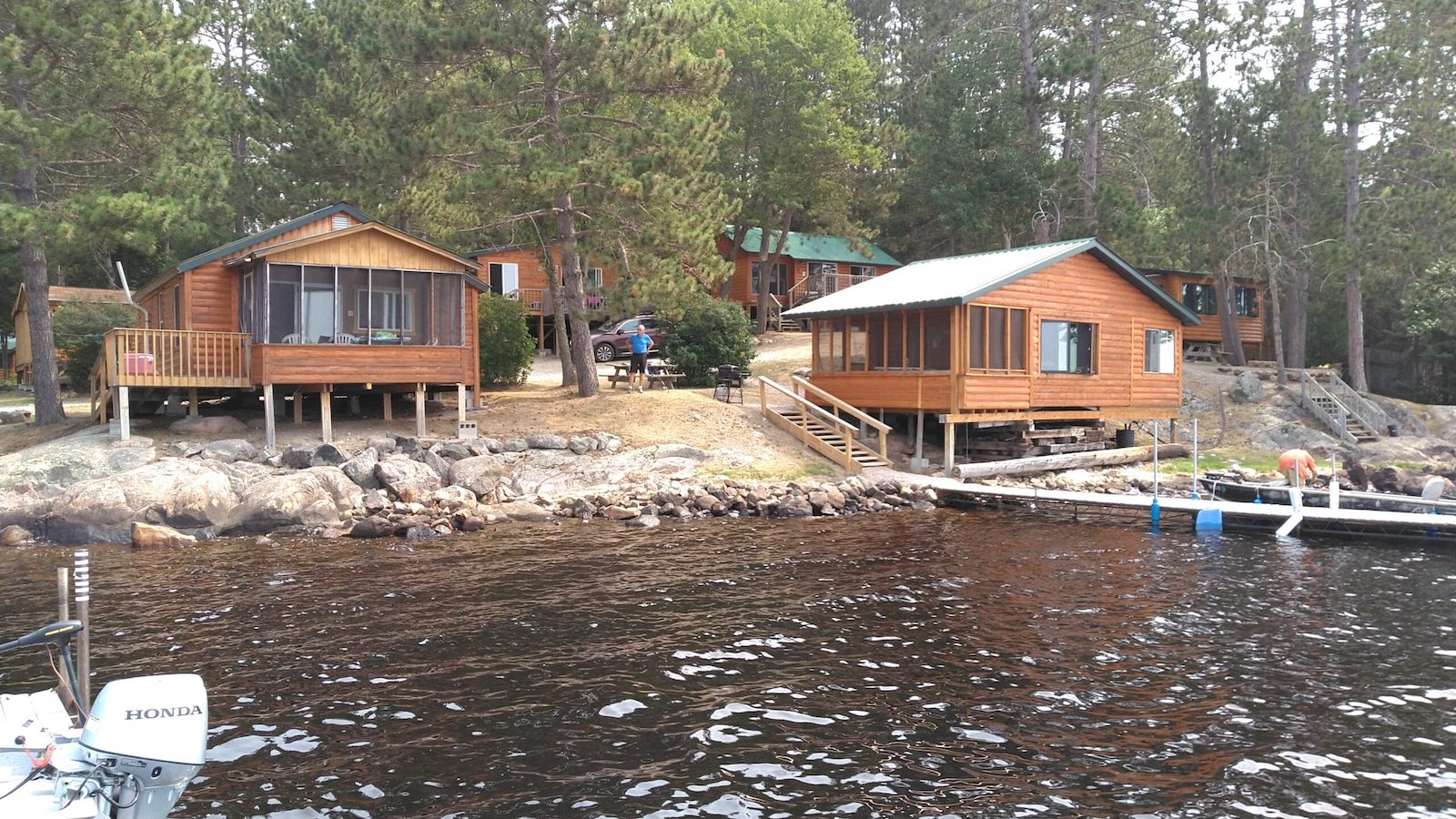
At White Iron Beach Resort, a day on the lake can be as serious or as simple as your group wants it to be. Fish the morning bite, return for lunch at the cabin, then head back out for an evening pass along a windy shoreline. That flexibility is part of what makes a Minnesota lake vacation memorable.
Before you leave the dock, choose a small selection of tackle you understand, tie fresh knots, and make room for the unexpected. A walleye may come on the classic jig and minnow, a crawler rig creeping along a break, or the crankbait someone almost left in the tackle box. Stay observant, enjoy the time together, and let the lake show you what it wants.