Online booking is currently closed.
Please call us at (218) 365-4885 to book.
White Iron Lake Fishing Guide for Ely Trips
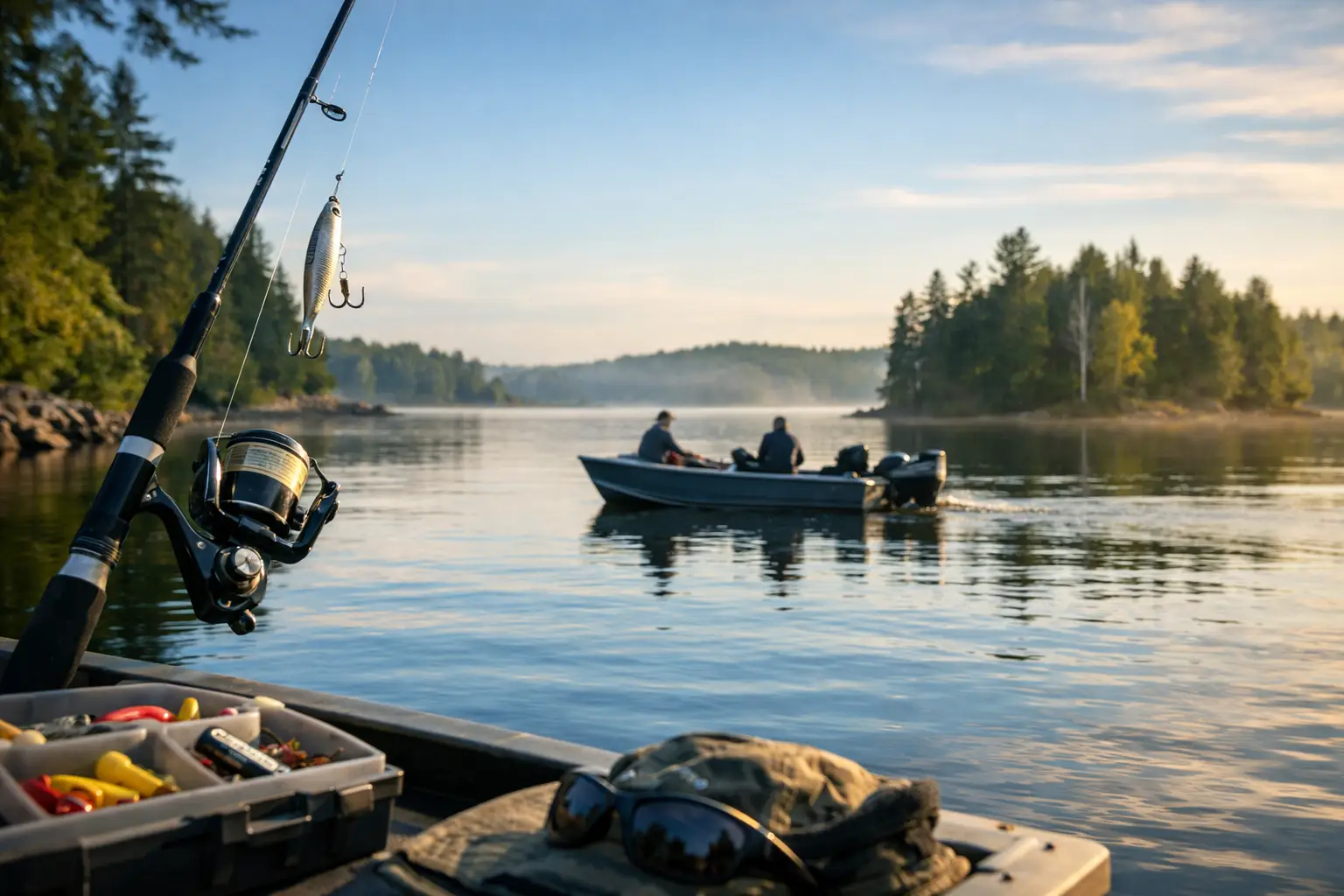
The first calm hour after sunrise can tell you almost everything about a fishing day on White Iron Lake. If the surface is glassy, the weed edges often wake up early. If a light breeze starts pushing into a shoreline, walleye and crappie can slide into feeding positions fast. That mix of beauty and real fishing opportunity is exactly why a White Iron Lake fishing guide matters – this is a lake where small adjustments can turn a pleasant boat ride into a memorable day.
White Iron Lake near Ely is one of those Northwoods destinations that works for more than one kind of angler. Serious fishermen appreciate the variety of structure, the healthy mix of species, and the connection to a larger chain of water. Families love that the lake feels accessible, scenic, and easy to enjoy even when fishing is only part of the plan. You can spend the morning chasing walleye, take a midday swim, and head back out in the evening for bass or northern pike without feeling like you need a complicated game plan.
White Iron Lake fishing guide basics
White Iron Lake is known for producing walleye, black crappie, smallmouth bass, northern pike, and panfish, with enough size and variety to keep things interesting across the season. It is part of a larger Ely-area fishery, which means fish move, forage changes, and conditions can shift with weather and boat traffic. That is good news for anglers willing to stay flexible.
The biggest mistake visitors make is treating every part of the lake the same. White Iron has bays, weedlines, points, rocky stretches, and deeper basins, and each one plays differently depending on water temperature, wind, and light. If you are here for a full vacation instead of a quick day trip, that actually works in your favor. You have time to fish a morning pattern, relax through the middle of the day, and try a different approach in the evening.
What you can catch on White Iron Lake
Walleye usually get the most attention, and for good reason. They are a classic Minnesota target, and White Iron gives anglers a legitimate shot at a good fish fry as well as the occasional standout fish. Early and late in the day are strong windows, especially around windblown structure, transitions from rock to sand, and edges near deeper water.
Crappie are another favorite, especially for families and mixed-skill groups. When they group up around weeds, brush, or softer-bottom basin edges, they can provide steady action without requiring overly technical gear. They are also one of the best species for kids because bites can come fast when you find the right school.
Smallmouth bass bring a different kind of fun. They hit hard, fight above their weight, and stay active through much of the open-water season. On calm days, rocky shorelines and points can be productive. When weather shifts, they may slide a little deeper, but they rarely become impossible to find.
Northern pike are often the fish that save the afternoon. If walleye get stubborn or the sun gets high, pike will still give you a chance at action around weed beds and shallower cover. They are also exciting fish for newer anglers because the strikes can be aggressive and obvious.
Best times of year to fish White Iron Lake
A good White Iron Lake fishing guide always starts with seasonality, because fish location changes a lot from opener through early fall.
In spring and early summer, fish are generally more concentrated and easier to pattern. Walleye often hold near current-influenced areas, shallow structure, and early weed growth. Crappie can stack up in bays and protected pockets. Bass begin moving toward spawning areas and can be found around warming shorelines and rock.
By midsummer, the lake spreads fish out more. Weedlines become more important, especially for pike and panfish, while walleye may shift to deeper structure or hold tighter to edges during bright conditions. This is when early morning and evening usually become your best friends. Midday can still produce, but it often takes a slower presentation or a move to deeper water.
Late summer into early fall can be excellent if you like active fish and fewer crowds on the water. Cooling temperatures often improve daytime opportunities again. Baitfish movements become more noticeable, and predatory fish start feeding with more purpose. If you enjoy a quieter Northwoods feel, this stretch of the season can be especially rewarding.
Where to look on the lake
You never want to rely on one “secret spot” on a lake like this. Conditions change too quickly. It is better to think in terms of fish-holding areas.
For walleye, start with points, neck-down areas, shoreline breaks, and any structure getting a steady wind push. Even a modest breeze can improve a bite. If that shallow pattern is not happening, check the first deeper break nearby. Walleye often stay closer to productive feeding shelves than people expect.
For crappie, protected bays, emerging weeds, and basin-adjacent cover are worth your time. They may suspend instead of hugging bottom, so do not assume your bait needs to be deep to be effective. If you mark fish and they do not bite right away, small depth changes can matter a lot.
Smallmouth bass usually relate to rock, especially reefs, shoreline boulders, and tapering points. Clearer conditions can push them slightly deeper during sunny periods. If you are seeing bait or crawfish habitat, you are in the right neighborhood.
Northern pike like weeds, edges, and ambush cover. On White Iron, they are often less complicated than other species. If you find healthy vegetation near access to deeper water, it is worth a few casts.
Tackle and presentation tips
You do not need an oversized tackle collection to fish White Iron well. In fact, keeping things simple usually helps vacation anglers stay focused and enjoy the day more.
For walleye, live bait rigs, jigs tipped with live bait, and slip bobbers all make sense depending on depth and wind. On breezy days, a jig can help you stay in contact with structure. In lower-light periods, a slip bobber presentation around a break or weed edge can be easy to manage and surprisingly effective.
For crappie, small jigs under a float or lightly worked through open pockets often do the job. If fish are suspended, pay close attention to depth. Being 2 feet too high or too low can matter more than lure color.
Bass anglers can cover a lot of water with simple moving baits, soft plastics, or topwater during the right windows. Pike will hit spoons, spinner-style presentations, and larger soft baits worked along weedlines.
The trade-off is straightforward. Live bait can be more forgiving for casual anglers and families. Artificial lures let you move faster and find active fish more efficiently. If your group includes both experienced fishermen and kids, using both approaches during the same outing is often the smartest move.
Family-friendly fishing on White Iron Lake
One of the best things about fishing here is that it does not need to be all or nothing. You can build a day around your family instead of forcing everyone into an all-day grind.
That usually means shorter fishing windows and realistic goals. A two-hour morning trip can be perfect for kids. Target crappie or pike first, where bites may come faster, then decide whether the group wants to keep going. If the fish are slow, the day is far from lost. That is part of what makes a White Iron Lake vacation special – fishing fits right alongside beach time, paddling, swimming, and simply being together outdoors.
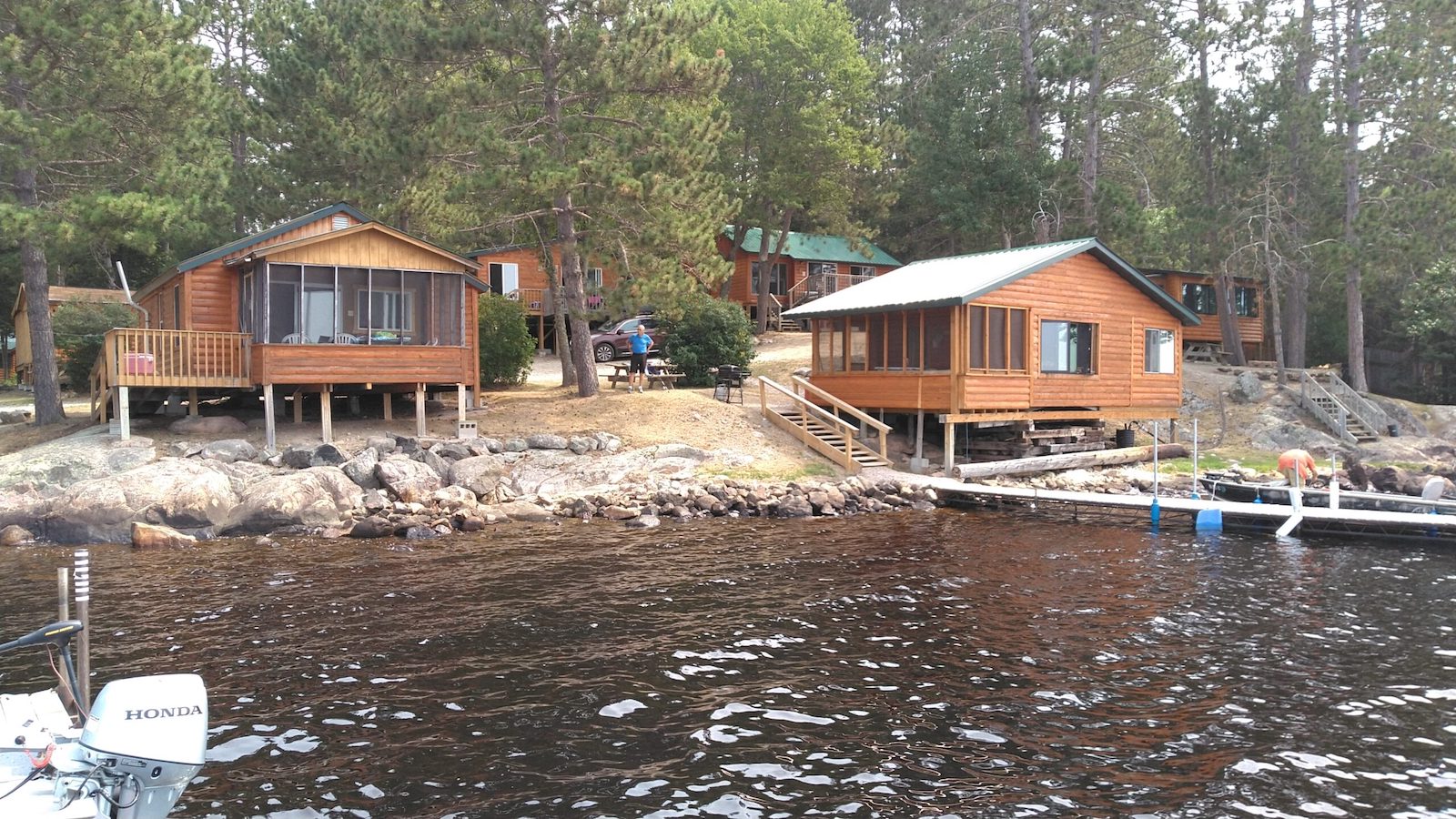
If you are staying at White Iron Beach Resort, that flexibility becomes even easier. You can get out on the water early, come back for breakfast, and head out again when the evening bite starts. For families, that rhythm is often better than trying to force one long trip.
A few practical tips before you launch
Weather matters here, and wind can be your ally or your problem. A little chop often improves fishing, but strong wind can make boat control tougher, especially for less experienced anglers. Plan your route with protected water in mind.
Keep your setup simple and your expectations flexible. Some days White Iron gives up fish quickly. Other days it rewards patience and small adjustments in depth, speed, or location. That is normal on a quality Northwoods lake.
It also pays to think beyond one species. If your walleye plan is not producing, switch gears instead of forcing it for hours. Crappie, bass, and pike can keep rods bending and the mood high, especially on a family trip.
Fishing regulations, seasons, and possession limits can change, so always check current Minnesota rules before heading out. That small step helps protect the fishery and keeps your trip stress-free.
White Iron Lake is the kind of place where a good day is measured by more than the livewell. It might be a pair of keeper walleye at sunset, a child’s first crappie, or the simple satisfaction of watching loons drift past the boat between casts. Learn the lake a little, stay flexible, and let the day unfold – that is usually when White Iron fishes best.